Skip to content
  • Home
  • Adopt a DogExpand
    • Adopt a Small Dog
    • Adoption Application
  • Rehome a DogExpand
    • Rehome a Small Dog
    • Rescue vs Rehoming
    • Emigrating from SA?
    • Retiring?
    • Lack of Time?
    • Photography Tips
    • Rehome Enquiry Form
  • ResourcesExpand
    • Guide Hub
    • Signature Collection
    • Boutique Shop
    • About
    • Contact
  • Reviews
Small Dog Adoptions Logo - Purebred Rehoming Specialists South Africa
Facebook Instagram Pinterest TikTok YouTube

small dog adoptions & rehoming

Small Dog Adoptions Logo - Purebred Rehoming Specialists South Africa

small dog adoptions & rehoming

toilet train your dog with positive reinforcement

The Masterclass: How to Successfully Toilet Train Your Dog

A Definitive Guide to Achieving a Seamlessly Housetrained Home.

Welcoming a new purebred companion into a prestigious home is a joyful milestone, but achieving a perfectly housetrained environment requires a sophisticated approach. Whether you are raising a young puppy or navigating the transition of an adopted dog, Small Dog Adoptions provides the expert guidance needed to ensure a clean, stress-free home.

Guide Contents

  • The Golden Rule of Success:
  • The Boutique Philosophy: Patience and Dignity
  • Understanding the Small Breed Biological Clock
  • The Golden Rule of Timing:
  •  The 5-Step Protocol 
    • The Luxury of Routine
    • Curating the “Garden Gallery”
    • Mastering the Language of Cues
    • The “Safe Suite” & “Umbilical” Strategy
    • The “No-Shame” Cleanse
  • The Nuances of House Training: Puppies vs. Adopted Dogs
    • The Puppy Foundation
    • The Transition Gap
  • Avoid These 5 Common Mistakes
  • Elite Toilet Training: Frequently Asked Questions
    • The Foundation
    • Troubleshooting
    • Marking & Territory
    • Special Circumstances
  • Looking for a well-matched companion?

The Golden Rule of Success:

Dogs do not instinctively understand the boundaries of a human home. Success is built on teaching them where it is right to go, rather than punishing them for being wrong. Patience is the foundation of every elite transition.

The Boutique Philosophy: Patience and Dignity

At Small Dog Adoptions, we believe that potty training is the first conversation you have with your new dog. It is not about “discipline”—it is about communication. Small breeds have smaller bladders and faster metabolisms; therefore, success is built on the owner’s ability to anticipate their needs. Consistency is your most valuable asset.

Understanding the Small Breed Biological Clock

To successfully housetrain a small dog, you must work with their natural rhythms. High-quality nutrition and scheduled hydration play a massive role.

The Golden Rule of Timing:

Take your companion to their designated area:

  • Immediately upon waking (morning and after naps).
  • Within 15 minutes of finishing a meal.
  • After any high-energy play session.
  • Immediately before retiring for the night.

 The 5-Step Protocol 

A high-end silver watch representing the strict timeline required to successfully learn how to potty train a dog in a busy home.

Step 01

The Luxury of Routine

Establish a strict biological timeline. Small breeds require a precise routine to manage their faster metabolisms. Take your dog out first thing in the morning, immediately after every meal, after every nap, and before retiring for the night. Puppies require breaks every 1–2 hours; adult dogs every 3–4 hours initially to establish trust.

Step 02

Curating the “Garden Gallery”

Select one specific, quiet area of your garden to be the permanent ‘potty spot.’ Always lead your dog there on a leash, even in a secure estate. This prevents them from being distracted by play and teaches them that this location is for business.  Scent association is the most powerful tool in toilet training a puppy or an adopted dog. Stay calm and quiet to let them focus.
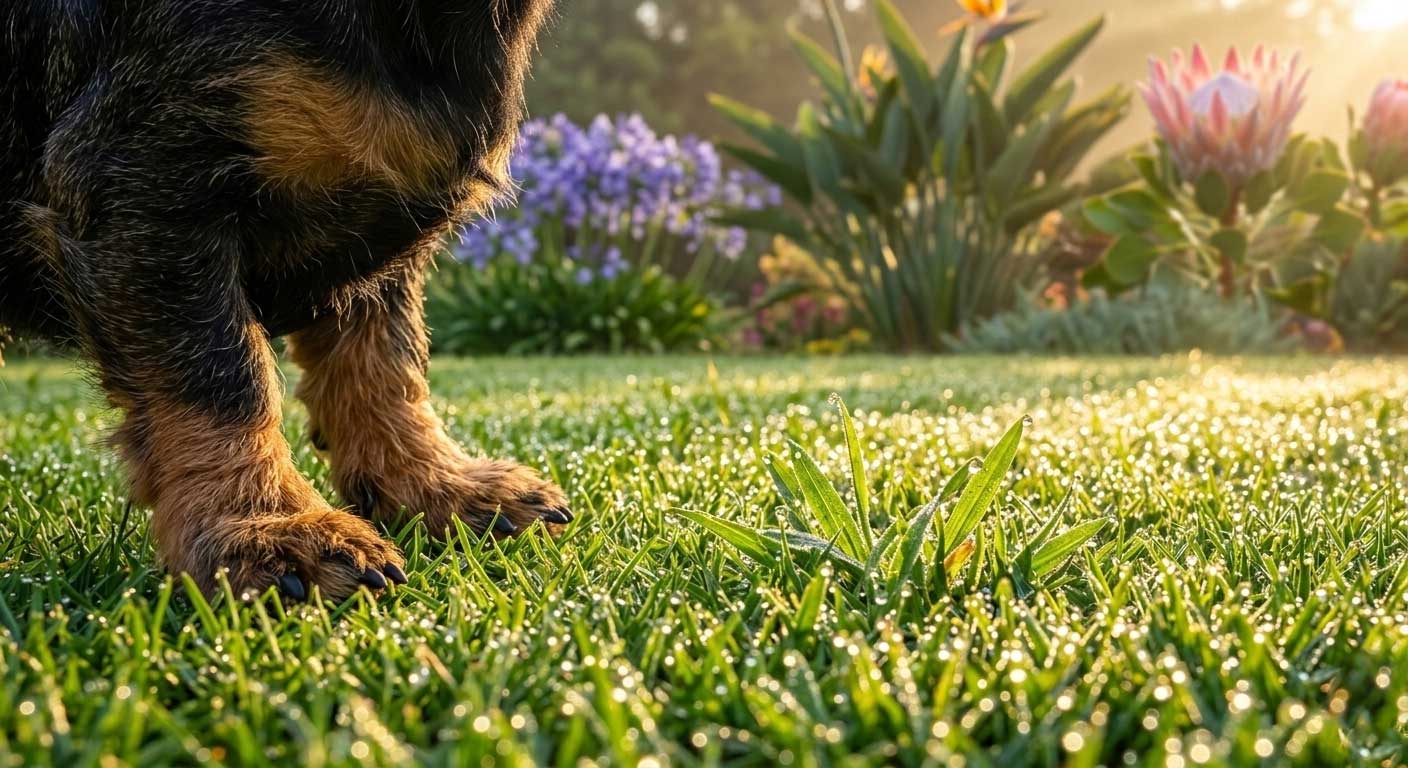
A pristine green lawn and garden gate illustrating the designated "Garden Gallery" spot for elite toilet training.
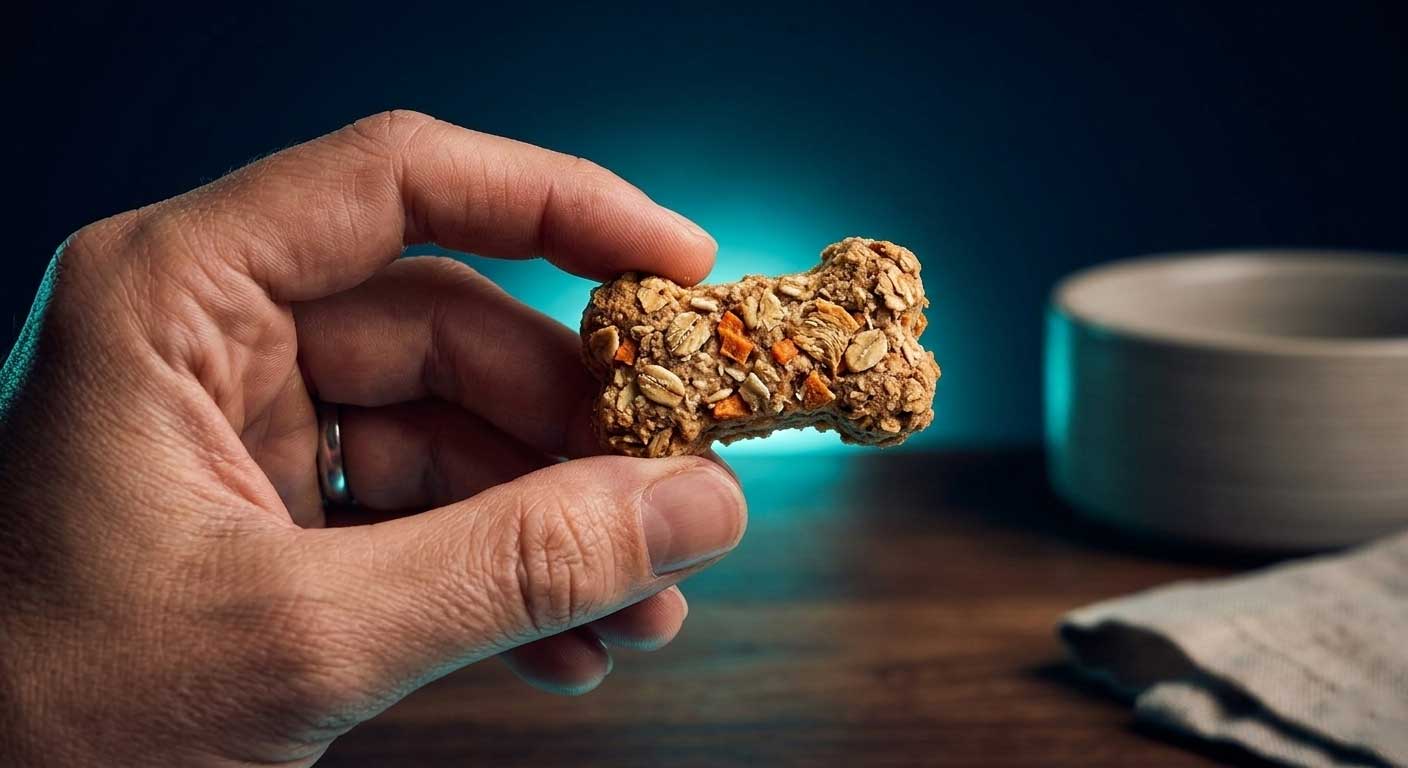
A close-up of a hand offering a boutique-quality treat to reinforce positive associations during the house training process.

Step 03

Mastering the Language
of Cues

Success is rooted in the science of positive reinforcement. Praise and rewards must happen within 3 seconds of completion to be effective. Use a calm, happy tone to reinforce that they have made the ‘Boutique Choice,’ creating a prestigious association between the cue and the successful action.

Step 04

The “Safe Suite” & “Umbilical” Strategy

If your dog is not yet 100% housetrained, utilize the ‘Umbilical Cord’ method: keep them near you on a lightweight house lead. When you cannot provide direct supervision, utilize a ‘Safe Suite’—a high-end baby gate or a comfortable crate. Dogs have an inborn instinct to keep their sleeping quarters clean; use this biology to your advantage.
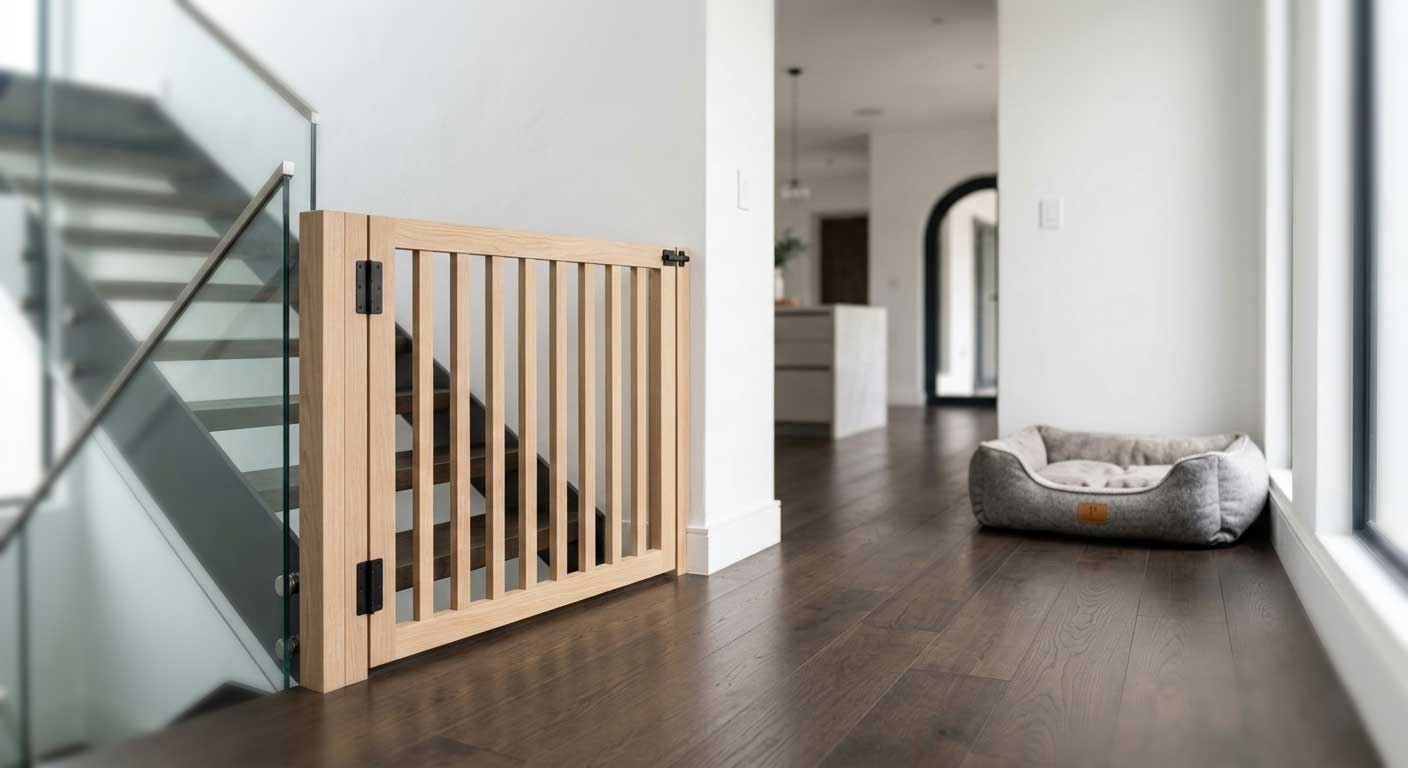

A high-end wooden baby gate used to manage indoor space and prevent accidents for small breed companions.
A professional-grade enzymatic cleaner on a polished marble floor, essential for correct house training maintenance.

Step 05

The “No-Shame” Cleanse

Accidents are information, not failures. Scolding a small breed only creates fear and hides the problem. By sticking to a strict system of positive reinforcement for outdoor success and using a professional-grade enzymatic cleaner for indoor mishaps, you preserve your companion’s dignity and accelerate their learning.

The Nuances of House Training: Puppies vs. Adopted Dogs

The Puppy Foundation

Focusing on small bladder capacity and frequent 2-hour intervals. You are building their understanding from the ground up.

The Transition Gap

Navigating the first 72 hours in a new South African estate is extremely important. Even a fully housebroken dog may regress due to the stress of a new environment.
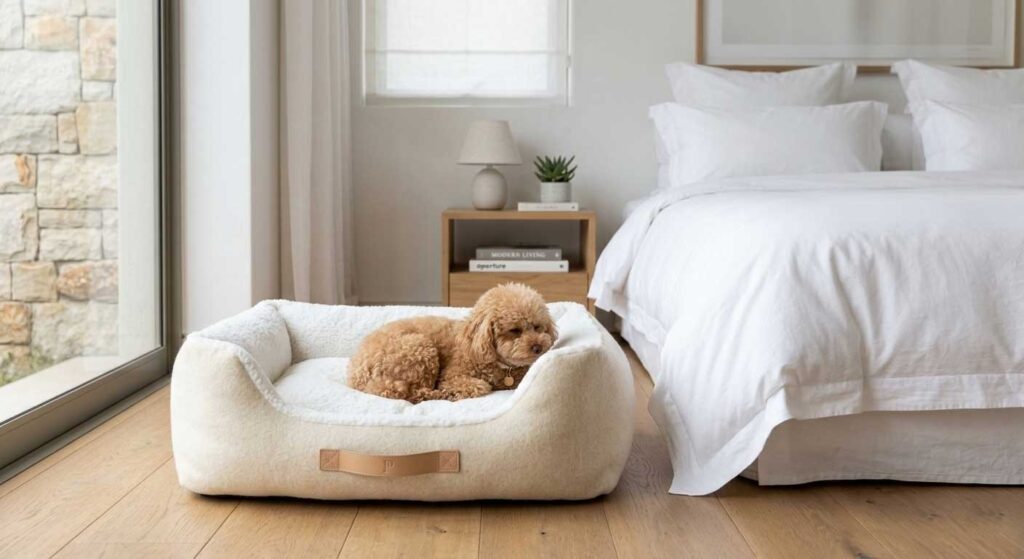
A pampered Toy Poodle resting in a designer dog bed, demonstrating the natural instinct of dogs to keep their sleeping quarters clean.

Avoid These 5 Common Mistakes

  • Punishing after the act
  • Inconsistency
  • Granting freedom too soon
  • Over-excitement during rewards
  • Using ammonia-based cleaners

✨ Concierge Tip: Keep the routine as close to the dog’s previous environment as possible for the first 48 hours. Familiar timing reduces cortisol and accelerates house training success.

Elite Toilet Training: Frequently Asked Questions

The Foundation

Troubleshooting

Marking & Territory

Special Circumstances

The Foundation of Success

Every successful journey begins with a solid plan. Whether you’ve just welcomed a tiny new addition or are helping an older dog find their feet, these basics provide the roadmap. Toilet training is less about ‘control’ and more about communication—let’s set the right foundations so you and your dog can start this new chapter with confidence.

Yes—you can absolutely toilet train your dog at any age. Older dogs may even learn faster than puppies because they have better bladder control. The key is consistency, routine, and patience—especially during the first few days in a new environment.

The time it takes to toilet train your dog depends on age, history, and consistency.

  • Puppies: typically 2–6 weeks
  • Adult dogs: often quicker, but may take a few weeks to adjust

Full reliability can take a few months, but most dogs show clear progress within the first week when routines are consistent.

When you toilet train your dog, frequency is key:

  • Puppies: every 1–2 hours
  • Adult dogs: every 3–4 hours (initially)

Always take them out:

  • After meals
  • After naps
  • After play
  • Before bedtime

Puppy pads can be useful in certain situations, but they can also slow down the process when you toilet train your dog.
Best used:

  • In apartments or limited outdoor access
  • Overnight for very young puppies

However, for long-term success, it’s best to transition your dog to an outdoor toilet routine as early as possible.

While bleach makes a floor look clean to us, a dog’s nose is much more sophisticated. Regular cleaners often fail to break down the uric acid crystals in dog urine. To a dog, that spot still smells like a ‘designated toilet,’ which invites them to return to the same place. An enzymatic cleaner literally ‘eats’ the proteins in the waste, completely removing the scent markers so your dog can start with a truly clean slate.

Troubleshooting & Accidents

Accidents are a natural part of the learning process, not a sign of failure. If things aren’t going quite to plan, don’t lose heart. This section dives into the ‘why’ behind the mess, offering practical, gentle solutions to get your routine back on track without stress or frustration.

If you’re trying to toilet train your dog and accidents are still happening, it’s usually due to:

  • Inconsistent routine
  • Too much freedom too soon
  • Missed toilet breaks
  • Stress or adjustment (especially in adopted dogs)

Accidents are part of the learning process—not bad behaviour.

This usually means your dog hasn’t fully learned where the correct toilet area is yet.
Solution:

  • Limit freedom indoors
  • Supervise more closely
  • Reinforce outdoor success

Dogs return to areas that smell like urine.
To break the cycle:

  • Use proper enzymatic cleaners
  • Block access to the area
  • Redirect to the correct toilet spot
  • Reward success consistently

No. Punishment will only create fear and confusion.
When you toilet train your dog, the focus should always be:

  • Prevention
  • Routine
  • Positive reinforcement

This is a common frustration! Often, the ‘great outdoors’ is simply too exciting or overstimulating for a small dog. They spend their time sniffing and exploring, forgetting they have a ‘job’ to do. When they return to the quiet, familiar safety of your lounge, their body finally relaxes—and that’s when the accident happens.

The Fix: Keep leash walks boring and strictly for business. If they don’t go outside, bring them back in, keep them supervised (or on a lap) for 10 minutes, and try again immediately.

Not at all. Dogs, especially the sensitive small breeds we specialize in, don’t possess the cognitive ability for ‘revenge’ or spite. If your dog is messing indoors, they are likely either confused, anxious, or simply haven’t yet made the full connection that outdoors is the only bathroom. Responding with kindness rather than scolding preserves your bond and ensures they don’t become ‘secret poopers’ who hide their accidents from you.

Territory & Unique Behaviors

Small breeds often have big personalities—and sometimes, those personalities come with specific habits like leg-lifting or territorial marking. Understanding the instinctual drive behind these actions is the first step to managing them. Here, we address the unique challenges of multi-dog homes and specific male dog behaviors.

Male dogs lift their leg primarily for scent marking, not just toileting. It’s a natural behaviour used to communicate with other dogs.
This doesn’t mean they aren’t trained—it just means they need clear boundaries indoors.

When you toilet train your dog—especially an older adopted male—marking indoors can be unlearned.
Focus on:

  • Close supervision
  • Interrupting calmly if it happens
  • Taking him outside frequently
  • Rewarding correct behaviour immediately

Consistency will retrain the habit, even if it’s been done for years.

This usually happens due to anxiety, scent marking, or lack of supervision.
To correct it:

  • Restrict access to the bed
  • Increase toilet breaks
  • Wash bedding thoroughly (remove scent)
  • Reinforce correct outdoor toileting

When you toilet train your dog, management of space is just as important as training.

Dogs can mirror behaviour, especially in new or unsettled environments.
To fix this:

  • Separate toilet routines initially
  • Reinforce training with both dogs
  • Supervise closely indoors
  • Reward correct behaviour individually

When you toilet train your dog in a multi-dog home, structure becomes even more important.

Regression & Special Circumstances

Life happens—guests arrive, weather changes, and routines shift. It is perfectly normal for a dog to occasionally regress when their environment feels different. These expert insights cover everything from South African climate challenges to the impact of grooming, ensuring you’re prepared for every eventuality.

This is more common than people think. Even if you’ve already managed to toilet train your dog, regression can happen due to:

  • Changes in routine
  • Stress or anxiety
  • A new home or environment
  • Medical issues

The solution is to go back to basics—routine, supervision, and reinforcement.

This is “excitement urination.” In a boutique home environment, guests represent a change in energy. Ask guests to ignore the dog for the first 5 minutes until they are calm, and ensure a potty break happens immediately before the doorbell rings.

If your bedroom is on the second floor, the journey to the garden might be too long for a small bladder. We recommend a “Safe Suite” on the ground floor during the initial training phase or carrying the companion directly to the Garden Gallery.

Yes—significantly.
When you toilet train your dog, stress from:

  • Moving homes
  • New owners
  • New pets

…can cause temporary setbacks. Calm structure and routine will resolve this.

Purebred small breeds can be sensitive to the Cape wind or Gauteng storms. If your dog refuses to go out in the rain, utilize a covered patio or temporary luxury turf mat under an awning to maintain the routine.

For long-haired breeds like Yorkshire Terriers and Toy Poodles, hygiene is a key part of training. We recommend a professional ‘Sanitary Trim’ from an elite groomer. This involves keeping the hair very short around their private areas. If the hair is too long, it can become soiled, making the dog feel ‘unclean’ everywhere they sit—this confuses their natural instinct to keep the house clean and only go outside.

Troubleshooting: Transitioning the Mature Companion

Many purebred dogs from Small Dog Adoptions arrive already toilet trained, but the stress of a new environment can cause temporary setbacks. Treat a mature dog like a puppy for the first 72 hours. Re-establishing the routine in your specific home is the fastest way to ensure their long-term success.

Begin Your Journey with Confidence

A housetrained dog is a confident, happy addition to any home. At Small Dog Adoptions, we pride ourselves on matching these intelligent companions with families who value structure and excellence. Whether you are beginning your search or ready to welcome a new member to your estate, our specialists are here to ensure every transition is a masterpiece of care.

Looking for a well-matched companion?

EXPLORE AVAILABLE DOGS
Small Dog Adoptions Logo - Purebred Rehoming Specialists South Africa
  • Adoption Process
  • Rehoming Process
  • Confidential Intake
  • Privacy Policy
  • Cookie Policy (ZA)
  • VIP WhatsApp Channel

© 2026 Small Dog Adoptions | Purebred Rehoming Specialists | Serving Discerning Homes Throughout South Africa

Small Dog Adoptions Privacy

We use cookies to ensure our website runs smoothly and to help us connect our small dogs with the perfect families. By accepting, you allow us to use data like browsing behavior to improve our adoption services. You can withdraw your consent at any time.

Functional Always active
The technical storage or access is strictly necessary for the legitimate purpose of enabling the use of a specific service explicitly requested by the subscriber or user, or for the sole purpose of carrying out the transmission of a communication over an electronic communications network.
Preferences
The technical storage or access is necessary for the legitimate purpose of storing preferences that are not requested by the subscriber or user.
Analytics
The technical storage or access that is used exclusively for statistical purposes. The technical storage or access that is used exclusively for anonymous statistical purposes. Without a subpoena, voluntary compliance on the part of your Internet Service Provider, or additional records from a third party, information stored or retrieved for this purpose alone cannot usually be used to identify you.
Marketing
The technical storage or access is required to create user profiles to send advertising, or to track the user on a website or across several websites for similar marketing purposes.
  • Manage options
  • Manage services
  • Manage {vendor_count} vendors
  • Read more about these purposes
Customize
  • {title}
  • {title}
  • {title}
Scroll to top
  • Home
  • Adopt a Dog
    • Adopt a Small Dog
    • Adoption Application
  • Rehome a Dog
    • Rehome a Small Dog
    • Rescue vs Rehoming
    • Emigrating from SA?
    • Retiring?
    • Lack of Time?
    • Photography Tips
    • Rehome Enquiry Form
  • Reviews
  • Resources
    • Guide Hub
    • Signature Collection
    • Boutique Shop
    • About
    • Contact
  • __________
  • Social Media
    • Facebook South Africa
    • Facebook Gauteng
    • Facebook Western Cape
    • Business Profile
    • Instagram
    • Pinterest
    • reddit
    • TikTok
    • YouTube
Search