

The Complete Guide to the French Bulldog in South Africa
The French Bulldog—affectionately known nationwide as the “Frenchie”—is one of the most popular companion dog breeds in South Africa. Characterized by their distinct “bat ears,” compact muscled frames, and expressive, flat faces, these small dogs possess massive personalities.
Whether you are researching the breed to determine if their physical traits align with your household’s lifestyle, or you are looking for specific regional information on their care, understanding their distinct genetic makeup is vital for any prospective owner.
| Breed Characteristic | Specification |
|---|---|
| Origin | England & France (19th Century) |
| Average Weight | Males: up to 13 kg | Females: up to 11 kg |
| Average Height | Approximately 28 to 33 cm at the shoulder |
| Lifespan | 10 to 14 years |
| Coat Variety | Very short, smooth, single coat without an undercoat |
| Primary Colors | Standard: Fawn, Brindle, Pied. Non-Standard: Blue, Lilac, Merle |
| Registration Body | Kennel Union of South Africa (KUSA) – Utility Group (View Official Breed Standard) |
History and Original Purpose
Despite their name, the French Bulldog’s roots trace back to England during the Industrial Revolution. Lace-makers in Nottingham kept toy-sized English Bulldogs as lap-warmers. When many of these artisans emigrated to France for work, they took their diminutive bulldogs with them.
In France, these dogs were crossed with local terriers, giving birth to the iconic “bat ears” and the distinct companion breed we know today. They rapidly evolved from elite fashion statements in Parisian cafes to universally adored household companions worldwide.
Understanding Coat Variations: Standard vs. Exotic Colors
When looking at French Bulldogs in South Africa, you will encounter a wide array of coat colors and genetic patterns. It is crucial to understand the difference between standard recognized variations and the highly sought-after “exotic” colors, as coat genetics often link directly to specific health care requirements.
KUSA Standard Accepted Colors
The Kennel Union of South Africa (KUSA) officially recognizes a specific spectrum of colors within the breed standard. These include:
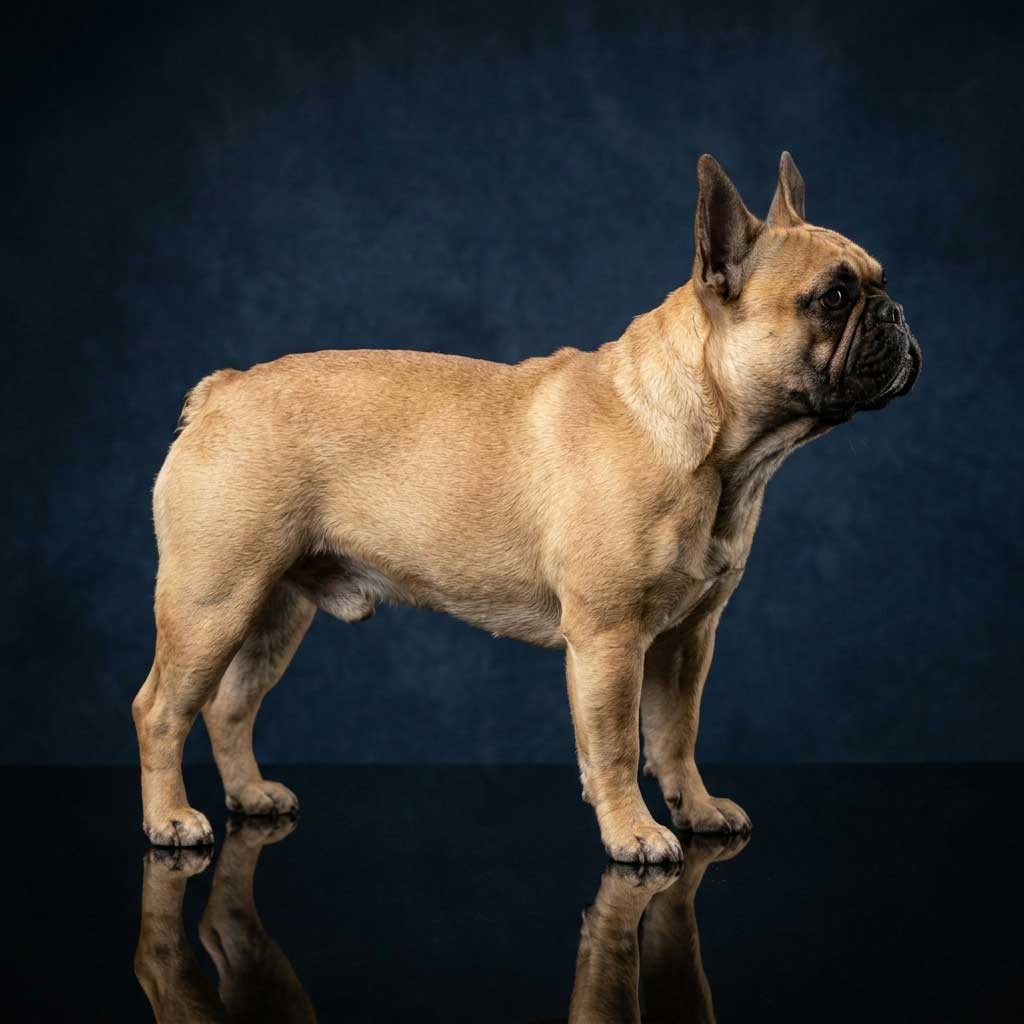
Fawn:
Ranging from light cream to deep red-fawn, often highlighted by a dark black facial mask.
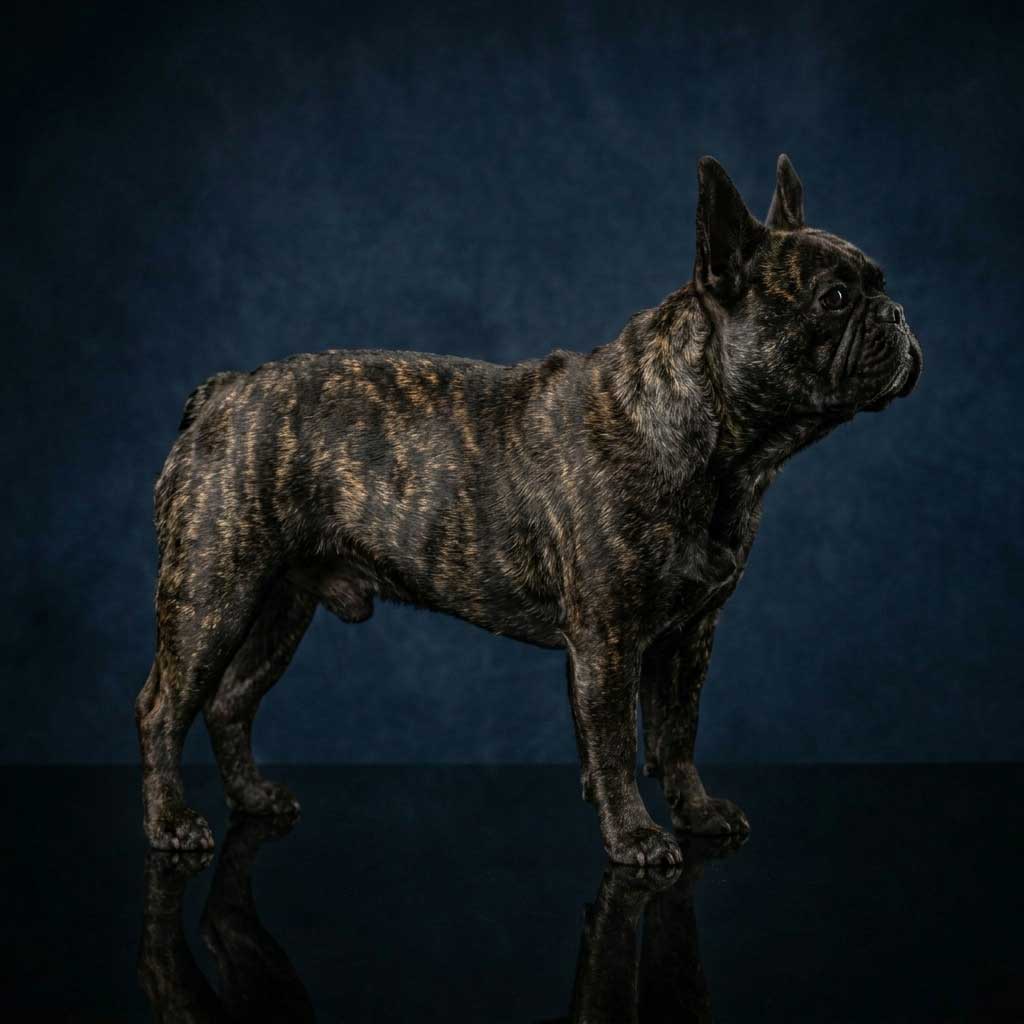
Brindle:
A dark coat broken up by lighter, transversal fawn hairs creating a striking “tiger-striped” effect.
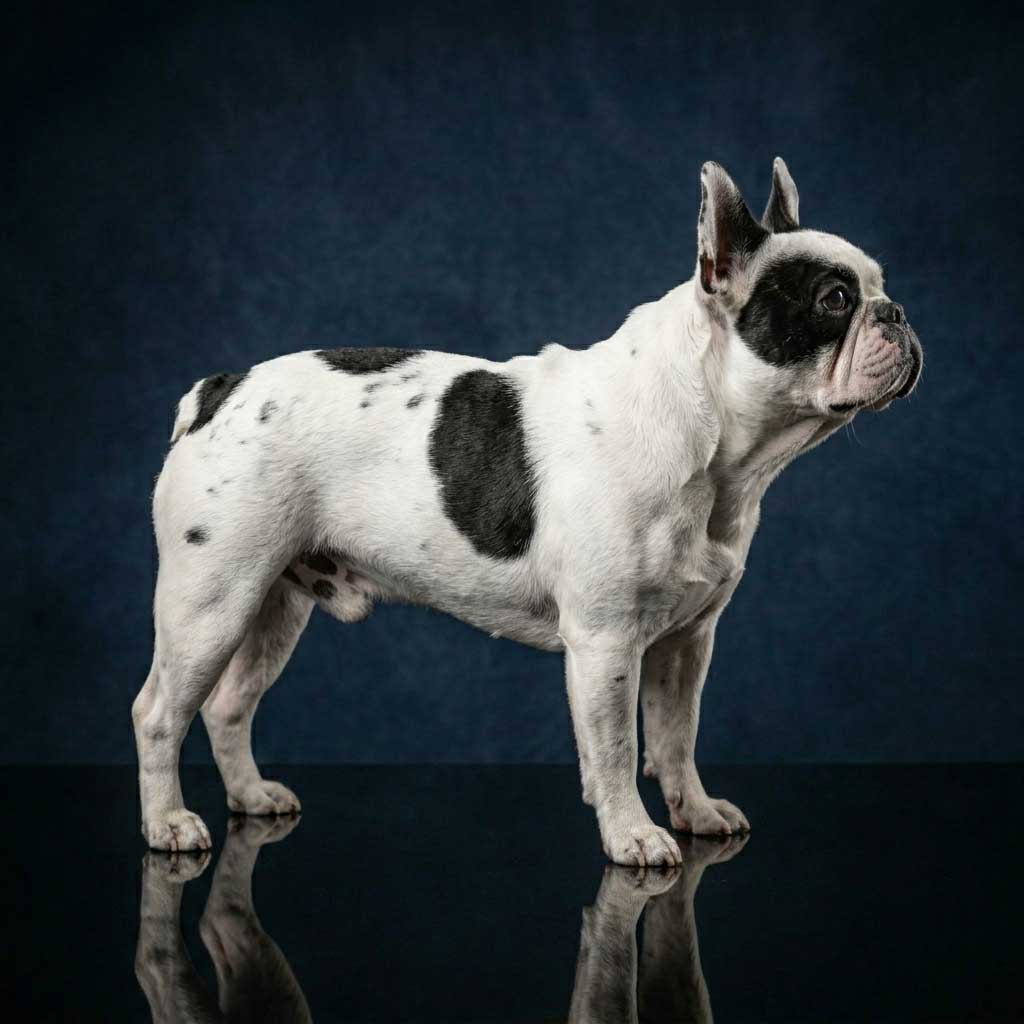
Pied:
A predominantly white coat featuring clear, distinct patches of brindle or fawn.
Exotic and Non-Standard Color Variations
Through specific genetic selection, breeders have introduced several alternative variations that are incredibly popular but are classified as “Non-Standard” by traditional kennel clubs.
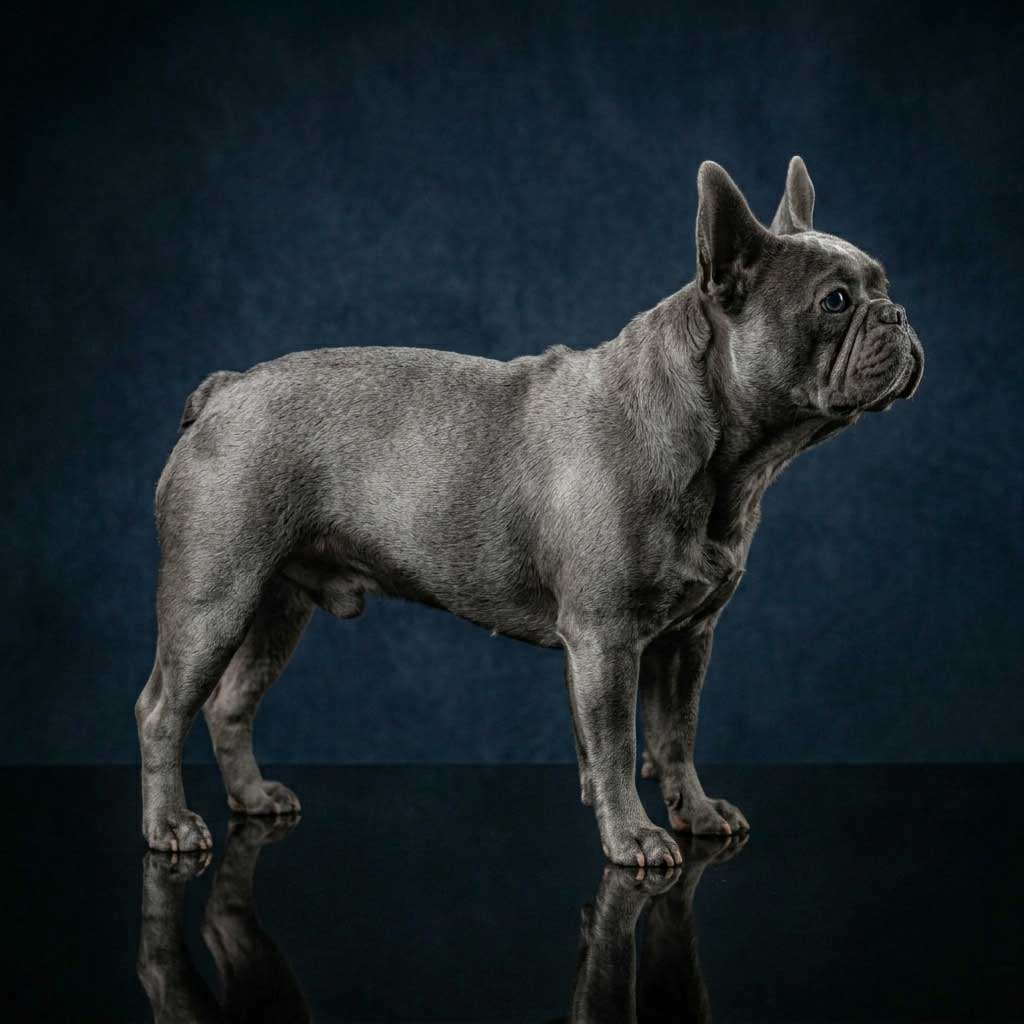
Blue:
A striking slate-grey color caused by a dilute gene affecting black pigment.
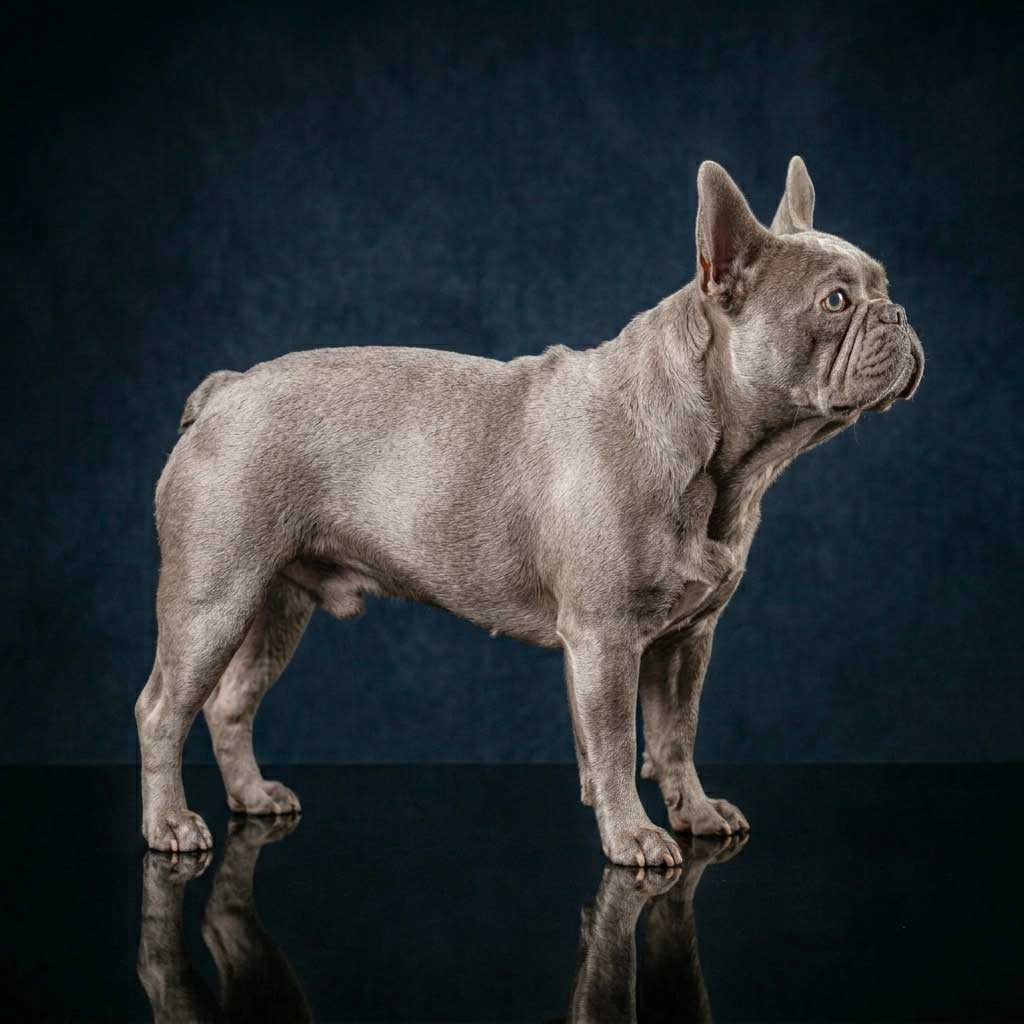
Lilac & Isabella:
Rare shades resulting from a double combination of chocolate and blue dilution genes.
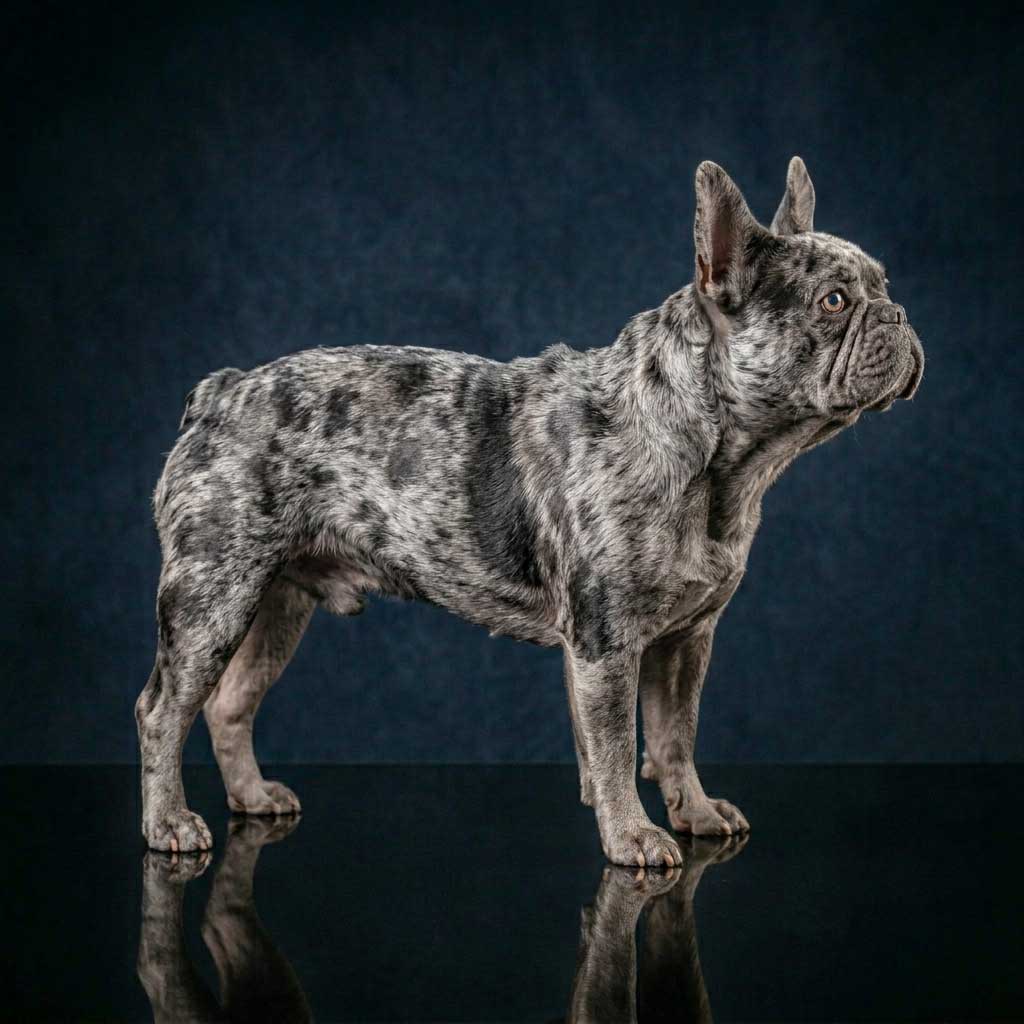
Merle:
A marbled pattern featuring irregular patches of dark pigment on a lighter background.
Note for South African Owners:
While exotic colors are visually stunning, the dilution genes responsible for coats like Blue or Lilac can make the dog genetically prone to Color Dilution Alopecia (CDA), which causes structural hair thinning and localized skin irritation. Breeding two Merle-patterned dogs together also introduces significant risks of congenital blindness and deafness.
Everyday Care, Exercise, and Environmental Safety
Exercise Requirements
French Bulldogs are a low-to-moderate energy breed. They do not require long miles of running, but they do need daily mental stimulation and brief, controlled physical activity. Two short, 20-minute walks a day during cooler hours are usually perfect to keep them physically fit.
Brachycephalic Airway Syndrome & Heat Sensitivity
Because French Bulldogs are a brachycephalic (flat-faced) breed, their upper airways are physically shortened. This structural makeup means they cannot cool themselves down efficiently via panting.
- Heatstroke Risk:
South African summers present a major hazard. Frenchies must never be exercised in high midday heat. They require an air-conditioned or well-ventilated indoor space on hot days. - Pool Safety:
Due to their heavy, front-loaded bone structure and short legs, most French Bulldogs cannot swim. If your home features an open swimming pool, it must be completely enclosed by a safety fence to prevent accidental drowning.
Anatomical Spotlight
What is a “Brachycephalic” Dog?
Pronunciation: brack-ee-seh-fal-ik
Derived from Greek roots (brachy meaning short, and cephalic meaning head), this term refers to “flat-faced” breeds with shortened skulls. Because their upper airways are physically compressed into a smaller space, they require unique environmental and medical care. Learn more in our Dog Anatomy & Breed Terminology Guide.
Grooming & Maintenance Requirements
While their short coats mean they do not require complex de-tangling, their distinct anatomy demands dedicated daily hygiene routines.
- Facial Fold Care:
The deep skin wrinkles on a Frenchie’s face trap moisture, tear track debris, and dirt. These folds must be gently wiped out daily with a damp cloth or saline gauze, and then dried completely to prevent painful yeast infections and dermatitis. - Ear and Nail Care:
Their large, open ears easily collect dust and need routine checking. Because they aren’t heavy-impact runners, their nails do not wear down naturally and require clipping or grinding every few weeks. - Shedding:
They are smooth-coated but carry a moderate amount of short-haired shedding year-round, which increases during seasonal shifts.
Training and Socialization
Trainability
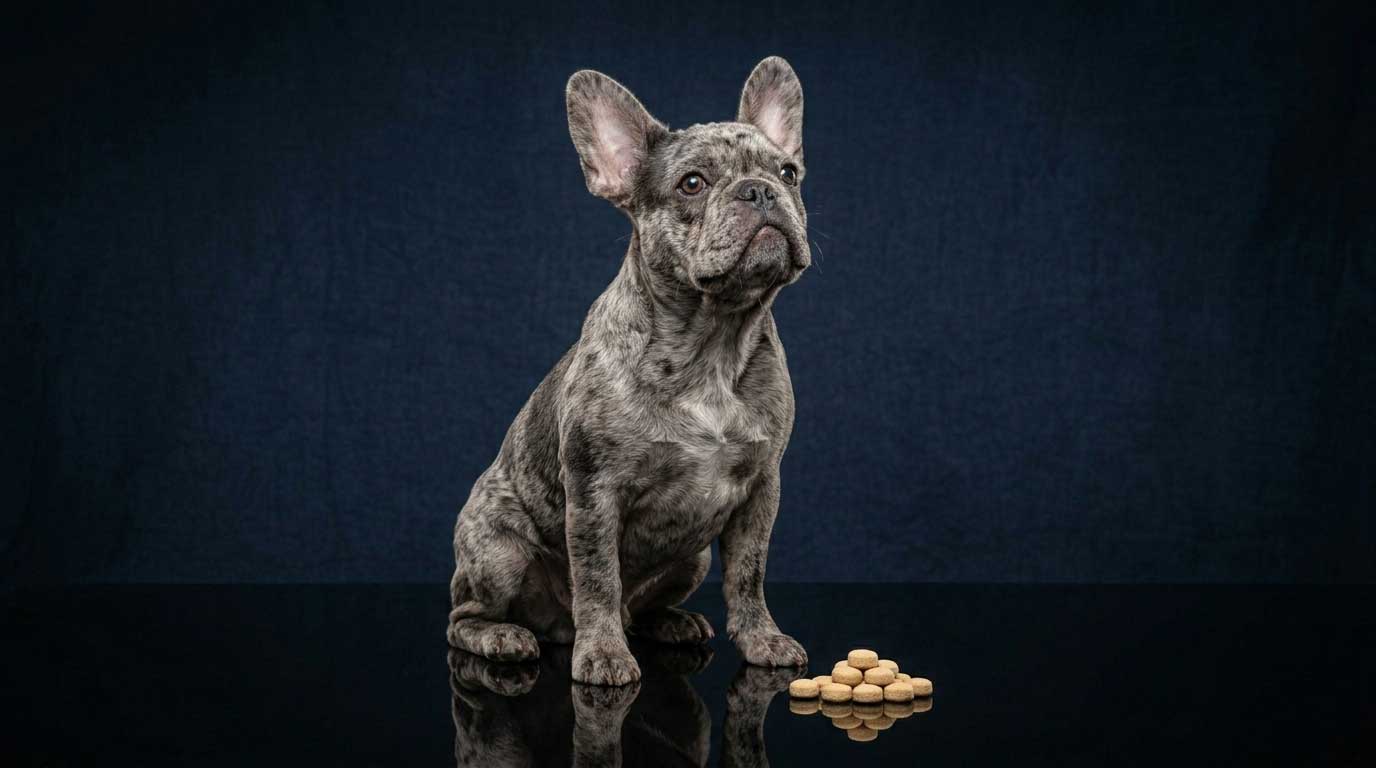
French Bulldogs are intelligent but can possess a stubborn, independent streak. They respond exceptionally well to positive reinforcement techniques (rewards, praise, and treats). Harsh corrections can backfire, causing a sensitive Frenchie to completely shut down or refuse to cooperate.
Socialization Needs
While naturally friendly, a lack of early socialization can cause a Frenchie to become timid, territorial, or overly reactive around strange dogs and people. Exposing them gently to different environments, noises, and vehicles helps them mature into a steady, well-adjusted adult.
Common Breed-Specific Health Considerations
Because of their extreme anatomy, understanding a Frenchie’s health profile is crucial to managing their lifelong well-being.
Brachycephalic Obstructive Airway Syndrome (BOAS)
- Stenotic Nares (narrowed nostrils) and an elongated soft palate severely restrict critical airflow.
- Causes heavy snoring, reverse sneezing, chronic foamy regurgitation, and acute respiratory distress under physical exertion.
- Severe cases require surgical correction (a partial rhinoplasty) to widen the airway pathways.
Spinal and Joint Issues
- Their short, compact skeletal frame makes them highly vulnerable to structural spine malformations like hemivertebrae.
- Highly prone to Intervertebral Disc Disease (IVDD).
- Owners should preventatively use pet ramps to prevent them from high-impact jumping off beds or lounge furniture.
Chronic Skin Allergies
- Frenchies possess incredibly sensitive immune systems, predisposing them to atopic dermatitis and food allergies.
- Frequently develops fold pyoderma within raw facial skin creases if left moist.
- Requires premium specialized diets and routine vet-approved dermatological washes.
Ocular Issues
- Because their eyes physically protrude further than other breeds, they are highly prone to surface scratches and corneal ulcers.
- Highly susceptible to “Cherry Eye” (a visible prolapse of the third eyelid gland) which requires surgical repositioning.
Rehoming or Adopting a French Bulldog
Because of their high medical maintenance, separation anxiety, and structural breathing needs, French Bulldogs are occasionally surrendered when owners underestimate their care demands and veterinary costs.
Many families who find they can no longer manage these needs ask Small Dog Adoptions & Rehoming (SDA) to assist with “home-to-home” rehoming. A traditional shelter environment can be incredibly overwhelming for a flat-faced, companion-driven breed prone to respiratory distress under stress. By coordinating direct, home-to-home transitions, we ensure they move safely and calmly from one loving family straight to another.
French Bulldog Frequently Asked Questions
Before introducing a French Bulldog to your home, it is essential to consider their unique physical traits and structural needs. Below, we answer the most common questions South Africans ask about managing this beloved breed.

Final Thoughts: Is the French Bulldog Right for Your Home?
Welcoming a French Bulldog into your life is a deeply rewarding commitment. If you can match their need for constant human company, manage their heat sensitivity and unique health requirements, and commit to daily facial fold cleaning, you will be rewarded with one of the most loving, hilarious, and devoted companions in the canine world.
Whether you are ready to adopt or are looking for guidance on transitioning an older Frenchie into a new home, we are here to support you every step of the way.
Are you hoping to open your heart to a French Bulldog?
- 🐾 View Our Available Dogs for Adoption
- 📧 Get in Touch with Small Dog Adoptions & Rehoming, if you have any questions or need advice about our home-to-home rehoming process.