
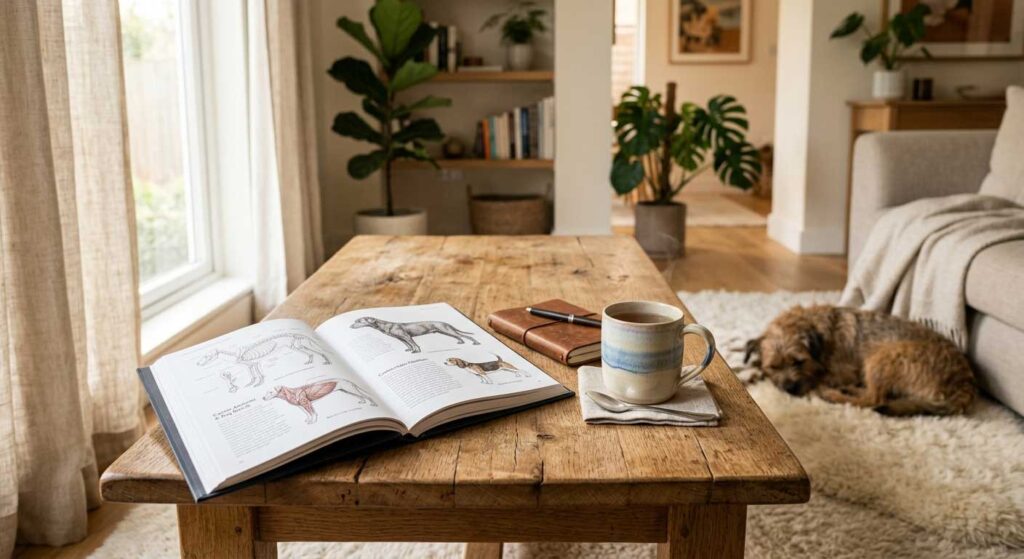
Anatomy & Dog Breed Terminology Guide
When researching different purebred dogs, you will frequently encounter veterinary, anatomical, and genetic terms. Understanding this terminology is crucial to providing the correct home environment, exercise routine, and medical care for your dog.
Below, we break down the most common terms used across our South African breed guides, including phonetic pronunciations, clear scientific definitions, and what they mean for your household.
⚖️ Important Veterinary Information Disclaimer:
The content provided in this dog breed terminology resource hub is compiled strictly for educational and informational awareness purposes. Small Dog Adoptions & Rehoming (SDA) is an independent rehoming platform, not a veterinary practice. This guide should never be used as a substitute for professional veterinary advice, medical diagnosis, or treatment. Always consult a qualified South African veterinarian or an emergency specialist facility immediately if your dog displays any signs of illness or physical distress.
Skull Classifications (The Cephalic Index)
A dog’s head shape is scientifically classified based on its cephalic index—the mathematical ratio of the skull’s maximum width multiplied by 100 and divided by its total length. In South Africa, recognizing these three distinct skull structures helps owners proactively manage respiratory safety, heat regulation, and daily exercise routines.
Brachycephalic
Pronunciation: brack-ee-seh-fal-ik
Definition:
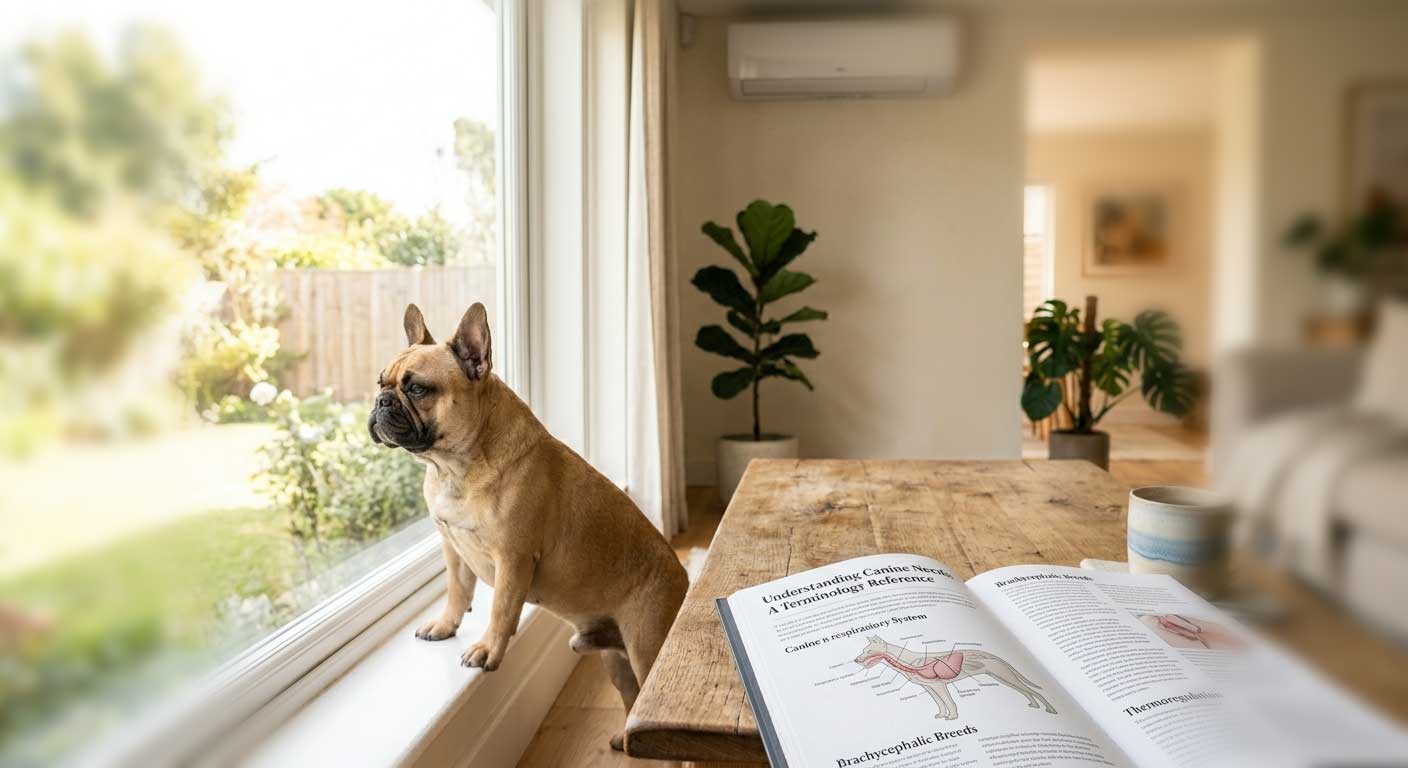
Brachycephalic means “short-headed” or “broad-headed.” Derived from Greek roots (brachy meaning short, and cephalic meaning head), it refers to a canine skull shape that is significantly wider and flatter than average, resulting in a distinct “flat-faced” appearance.
Common Breeds:
French Bulldogs, Pugs, Boston Terriers, Shih Tzus, Pekingese, and Boxers.
What it means for South African owners:
Because the skull bone structure is compacted, the soft tissues, nasal passages, and upper airways are physically compressed into a much smaller space. This causes Brachycephalic Obstructive Airway Syndrome (BOAS). These dogs cannot cool themselves efficiently through panting, making them highly vulnerable to fatal heatstroke during hot South African summer days. They require strict exercise management, air-conditioned environments, and face strict domestic and international air travel restrictions.
Mesocephalic
Pronunciation: meh-zo-seh-fal-ik
Definition:
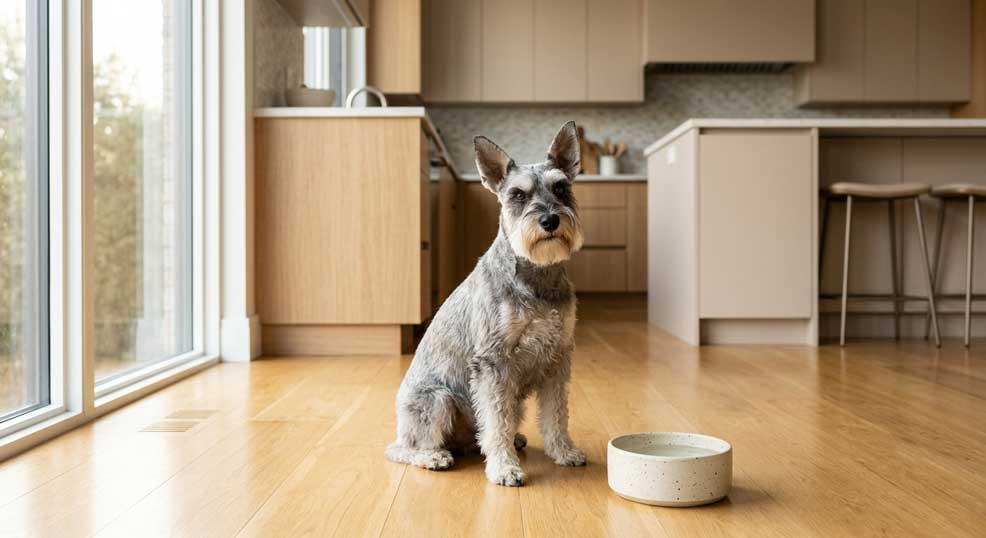
Mesocephalic means “middle-headed.” It represents the anatomically standard, balanced canine skull shape where the overall muzzle length exists in natural, proportionate balance to the total width of the cranium.
Common Breeds:
English Springer Spaniels, Maltese, Miniature Schnauzers, and various small Terrier groups.
What it means for South African owners:
Mesocephalic dogs possess standard, uncompromised upper airway structures and fully developed nasal passages. While they can still succumb to overheating in extreme conditions, they face significantly fewer inherent respiratory or climate-regulation challenges compared to flat-faced breeds, making them highly resilient across variable provincial climates.

Dolichocephalic
Pronunciation: doll-i-ko-seh-fal-ik
Definition:
Dolichocephalic means “long-headed.” It refers to an elongated muzzle and a narrow, streamlined skull structure built for aerodynamic efficiency or specialized scent tracking.
Common Breeds:
Miniature Dachshunds, Italian Greyhounds, and Whippets.
What it means for South African owners:
While these dogs have highly efficient respiratory systems and excellent natural heat dissipation, their elongated, narrow head shape presents a unique safety challenge: they can easily slip backward out of standard neck collars. Owners should utilize specialized, escape-proof Martingale collars or secure body harnesses for outdoor walks.
Neurological & Spinal Conditions

Intervertebral Disc Disease (IVDD)
Pronunciation: in-ter-ver-tee-bral
Definition:
Intervertebral Disc Disease (IVDD) is a severe, degenerative spinal condition where the protective, cushioning jelly-like discs situated between the vertebrae slip, rupture, or herniate. This structural failure causes the disc material to press directly into the spinal cord space, leading to extreme nerve compression, acute pain, loss of hind-limb coordination, and potential permanent paralysis.
Commonly Seen In:
Chondrodystrophic (short-legged, long-backed) breeds such as Miniature Dachshunds, Basset Hounds, Pekingese, and French Bulldogs.
What it means for South African owners:
To protect a dog genetically predisposed to IVDD, owners must actively prevent high-impact spinal jarring. This includes setting up specialized pet ramps to avoid jumping on or off beds and couches, walking the dog on a secure Y-shaped body harness rather than a neck collar, and maintaining a lean body mass to prevent structural spinal strain.
Granulomatous Meningoencephalomyelitis (GME)
Pronunciation: gran-yoo-loh-muh-tus men-in-goh-en-cef-uh-loh-my-uh-ly-tis
Definition:
Granulomatous Meningoencephalomyelitis (GME) is an acute, life-threatening inflammatory disease of the central nervous system (CNS). It is an immune-mediated condition where the dog’s own immune system mistakenly attacks the brain and spinal cord tissues, forming clusters of inflammatory cells called granulomas that disrupt normal neurological pathways.
Commonly Seen In:
Small and toy dog breeds, including Miniature Dachshunds, Chihuahuas, Maltese, and Toy Poodles.
What it means for South African owners:
GME is highly aggressive and unpredictable, often progressing from mild symptoms to severe neurological crises within a matter of days or hours. Symptoms include a head tilt, circling, loss of balance (ataxia), seizures, and sudden behavioral shifts. Immediate diagnostics (such as an MRI and cerebrospinal fluid analysis) are vital. Advanced cases often require referral to cutting-edge academic tertiary centers like the Faculty of Veterinary Science at the University of Pretoria (Onderstepoort Academic Veterinary Hospital) for specialized neurological intervention and immunosuppressive therapy.
Scottie Cramp
Pronunciation: scot-ee kramp
Definition:
Scottie Cramp is an inherited neuromotor disorder unique to the Scottish Terrier breed. It is caused by a genetic defect in the body’s serotonin metabolism pathways. When the dog is calm, their movement is completely normal. However, during periods of emotional excitement, stress, or intense physical exertion, a temporary chemical deficit in the central nervous system prevents muscles from relaxing, leading to involuntary muscle spasms, stiffness, and a temporary loss of coordination in the hind limbs.
Commonly Seen In:
Scottish Terriers, with symptoms usually first manifesting in young dogs between 6 and 18 months of age as they experience heightened play, training, or stress.
What it means for South African owners:
During an episode, an affected Scottie will suddenly arch their back, pull their hind legs up tight, and walk with a stiff, “bunny-hopping” gait, or even fall over. Because it looks like a severe seizure or a spinal injury, it frequently causes immense panic for owners and shelter staff. Crucially, **Scottie Cramp is completely painless** and does not cause a loss of consciousness. The spasms subside naturally after a few minutes of quiet, dark rest. While there is no cure, the condition is highly manageable. South African owners can minimize episodes by keeping their home environment calm, avoiding high-stress triggers, and exercising their dog during cooler hours to prevent overheating, which can exacerbate the spasms.
Respiratory & Structural Pathology
Collapsed Trachea
Pronunciation: tray-kee-uh
Definition:
Tracheal Collapse is a progressive, chronic respiratory condition where the structural, C-shaped cartilaginous rings that keep the windpipe (trachea) open and rigid begin to weaken and flatten. As the trachea loses its circular structural integrity, the airway membrane sags inward, severely restricting the flow of air into the lungs.
Commonly Seen In:
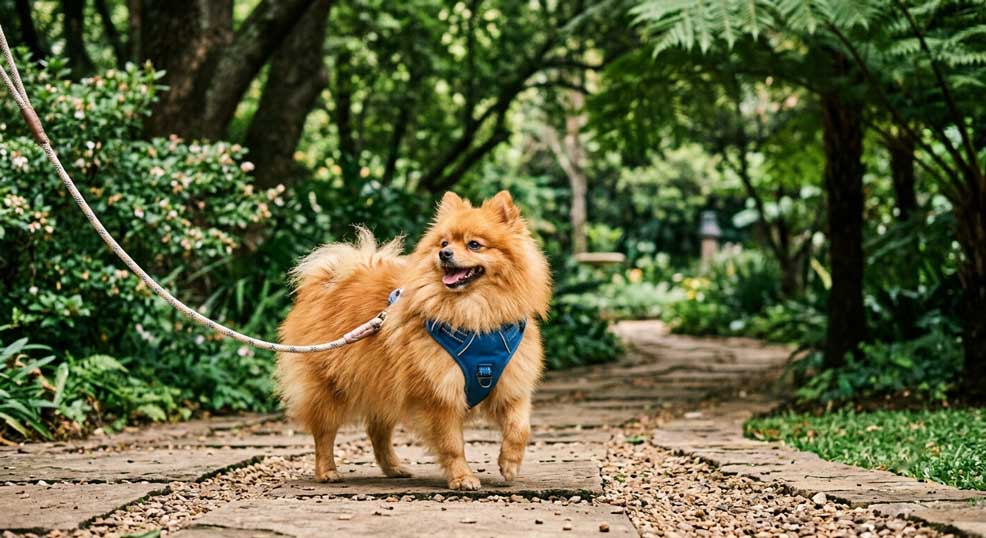
Toy breeds, particularly Yorkshire Terriers (Yorkies), Chihuahuas, Pomeranians, and Maltese.
What it means for South African owners:
The classic signature symptom of a collapsing trachea is a harsh, dry, paroxysmal cough that sounds exactly like a “goose honk.” This cough is typically triggered by excitement, physical exertion, pulling against a collar, or inhaling environmental irritants like smoke or dust. To manage this condition, owners must strictly avoid using traditional neck collars, prevent obesity, and manage environmental stressors.
Stenotic Nares
Pronunciation: steh-not-ik nair-eez
Definition:
Stenotic Nares is a congenital (present at birth) anatomical deformity where the nasal cartilage is abnormally soft, collapsed, or malformed, causing the nostrils to become severely pinched, narrowed, or slit-like. This restriction significantly increases airway resistance, forcing the dog to exert immense negative pressure to draw oxygen through the nasal passages. It is one of the primary component pathologies of Brachycephalic Obstructive Airway Syndrome (BOAS).
Commonly Seen In:
Brachycephalic (flat-faced) breeds, most notably French Bulldogs, Pugs, Boston Terriers, Shih Tzus, and Bulldogs.
What it means for South African owners:
Dogs with stenotic nares essentially try to breathe through a closed straw. Owners will frequently notice audible snorting, snoring, and a clear, white foamy discharge or regurgitation—a result of the dog swallowing excess air due to the extreme physical effort required to breathe. In the harsh South African climate, this condition severely compromises a dog’s ability to regulate body temperature through panting, making them exceptionally vulnerable to heatstroke. While mild cases require strict exercise restriction, cooling management, and weight control, moderate-to-severe cases require a surgical procedure (a partial rhinoplasty or “nares resection”) by a veterinarian to widen the nasal opening, which dramatically improves the dog’s life expectancy and quality of life.
Rhinoplasty (Nares Resection)
Pronunciation: ry-no-plas-tee
Definition:
In veterinary medicine, a rhinoplasty (commonly referred to as a nares resection) is a specialized corrective surgical procedure where a wedge of tissue is precisely excised from the front or side of the nasal wings (alae). This surgical widening of the nostrils immediately reduces airway resistance, allowing a brachycephalic dog to inhale a significantly greater volume of oxygen with drastically reduced physical effort.
Commonly Seen In:
Moderate-to-severe cases of Brachycephalic Obstructive Airway Syndrome (BOAS), primarily impacting French Bulldogs, Pugs, and Boston Terriers.
What it means for South African owners:
If a young dog presents with heavily pinched nostrils, veterinarians frequently recommend performing this procedure simultaneously during a routine spay or neuter to save on anesthesia costs. Widening the airways early in life prevents the chronic, long-term internal damage caused by respiratory strain, such as a collapsed trachea or heart fatigue. Following surgery, owners report an immediate drop in snoring, snorting, and acid reflux, giving the dog a significantly higher tolerance for the South African summer heat.
Hip Dysplasia
Pronunciation: dis-play-zha
Definition:
Hip Dysplasia is a complex, hereditary developmental malformation of the coxofemoral (hip) joint. In a structurally sound dog, the femoral head (ball) fits perfectly into the acetabulum (socket), gliding smoothly. In a dog with dysplasia, structural laxity allows the joint components to rub and grind abnormally, wearing away protective cartilage and causing chronic osteoarthritis and lameness.
Commonly Seen In:
While historically associated with large breeds, it frequently impacts specific small-to-medium breeds with high activity drives, such as the English Springer Spaniel, Pug, and French Bulldog.
What it means for South African owners:
Hip dysplasia is driven by genetics but accelerated by environmental factors. Preventative management involves avoiding over-exercising young puppies while their skeletal structures are growing, keeping adult dogs at an optimal body weight, and supplementing diets with high-quality joint protectants (such as Omega-3 fatty acids, glucosamine, and chondroitin) to manage long-term mobility.
Patellar Luxation
Pronunciation: puh-tel-er luk-say-shun
Definition:
Patellar Luxation is a highly common orthopaedic condition where the patella (kneecap) slips out of its normal anatomical alignment within the trochlear groove of the femur. As the kneecap pops out of place, the knee joint temporarily locks, causing the dog to skip or run on three legs until the kneecap slips back into its correct position.
Commonly Seen In:
Toy and small breeds, including Miniature Pinschers, Chihuahuas, Pomeranians, Yorkshire Terriers, and Pugs.
What it means for South African owners:
Owners will typically notice their dog running normally, suddenly “skipping” a step on a hind leg, and then continuing to run as if nothing happened. Over time, this constant slipping causes friction, wearing down joint cartilage and leading to localized arthritis. Managing weight is vital; extra kilograms put massive strain on unstable kneecaps. Mild cases are managed with joint supplements, while severe cases (where the kneecap remains permanently out of its groove) require surgical correction.
Legg-Calvé-Perthes Disease
Pronunciation: puh-tel-er luk-say-shun
Definition:
Patellar Luxation is a highly common orthopaedic condition where the patella (kneecap) slips out of its normal anatomical alignment within the trochlear groove of the femur. As the kneecap pops out of place, the knee joint temporarily locks, causing the dog to skip or run on three legs until the kneecap slips back into its correct position.
Commonly Seen In:
Toy and small breeds, including Miniature Pinschers, Chihuahuas, Pomeranians, Yorkshire Terriers, and Pugs.
What it means for South African owners:
Owners will typically notice their dog running normally, suddenly “skipping” a step on a hind leg, and then continuing to run as if nothing happened. Over time, this constant slipping causes friction, wearing down joint cartilage and leading to localized arthritis. Managing weight is vital; extra kilograms put massive strain on unstable kneecaps. Mild cases are managed with joint supplements, while severe cases (where the kneecap remains permanently out of its groove) require surgical correction.
Pes Varus
Pronunciation: pez vah-rus
Definition:
Pes Varus is an inherited developmental condition where a puppy’s shinbone (tibia) grows unevenly, causing the lower hind leg to curve inward. It occurs when part of the growth plate at the bottom of the shinbone closes prematurely on one side while the other side continues growing normally—gradually bending the bone out of shape as the puppy develops. The result is a hind leg that bows inward, rotates inward, and sits crooked at the hock (ankle) joint, altering how weight is distributed across the limb with every step.
Commonly Seen In:
Miniature and Standard Dachshunds. The deformity typically becomes visually noticeable between 4 and 10 months of age, during active growth phases.
What it means for South African owners:
Because it causes a bow-legged stance, inward-pointing paws, and a rolling or waddling hind-leg gait, Pes Varus is easily mistaken by owners and rescue shelters for a cruciate tear or a kneecap injury. A definitive diagnosis requires orthogonal X-rays (two angles) from a veterinarian.
Mild, stable cases can be managed conservatively with strict weight control, low-impact exercise, and quality joint supplements.
Moderate-to-severe deformities require corrective bone surgery — a procedure called a corrective osteotomy, where the shinbone is cut, precisely realigned, and secured with a small bone plate — followed by strict crate confinement for 6 to 12 weeks while the bone heals in its new position. Left untreated, severe cases inevitably progress to debilitating osteoarthritis and permanent hind-limb lameness.
Chondrodystrophy
Pronunciation: kon-dro-dis-truh-fee
Definition:
An inherited skeletal development disorder characterized by a specific genetic mutation (an FGF4 retrogene insertion) that halts the growth of cartilage in the long bones of the limbs during puppyhood, causing the legs to remain short while the spine grows to its normal length.
Commonly Seen In:
Miniature and Standard Dachshunds, Basset Hounds, French Bulldogs, Pekingese, and Shih Tzus
What it means for South African owners:
Chondrodystrophy is the underlying genetic cause of the breed’s signature “long-and-low” body shape. Because of this dwarfism trait, their vertebrae lack normal biomechanical shock absorption. Routine high-impact activities—like leaping off a couch, running down stairs, or jumping off a raised South African patio—can easily compress and rupture their fragile spinal discs. To manage this structural pathology, owners must maintain strict weight control, utilize padded pet ramps, and focus on steady, low-impact exercise to build strong core support muscles.
Craniomandibular Osteopathy (CMO)
Pronunciation: kray-nee-oh-man-dib-yoo-ler os-tee-op-uh-thee
Definition:
Craniomandibular Osteopathy (CMO), historically referred to as “Scottie Jaw,” is a painful, non-cancerous, self-limiting developmental bone disease. It is characterized by abnormal, bilateral swelling and extra bone growth (hyperostosis) on the mandible (jawbone) and the tympanic bullae (the bony structures surrounding the middle ear). The disease causes severe discomfort, making it extremely difficult for young puppies to open their mouths, chew, or swallow.
Commonly Seen In:
Young, rapidly growing terriers between 3 and 8 months of age, most notably Scottish Terriers, West Highland White Terriers (Westies), and Cairn Terriers.
What it means for South African owners:
The classic signs of CMO are a sudden reluctance to chew dry kibble, excessive drooling, a painful jaw when touched, a shifting lameness, and a fluctuating fever. Diagnosing CMO requires skull X-rays to visualize the extra bone growth. While the disease is highly painful, it is self-limiting; the abnormal bone growth typically stops and often partially regresses once the puppy reaches skeletal maturity (around 10 to 12 months of age). During active flare-ups, South African owners must work closely with their veterinarian to manage the pain using anti-inflammatory medications and temporarily transition the puppy to a highly nutritious, softened or liquid diet to ensure they receive adequate hydration and nutrition.
Genetic, Ocular & Skin Conditions

Color Dilution Alopecia (CDA)
Pronunciation: al-o-pee-she-uh
Definition:
Color Dilution Alopecia (CDA) is an inherited genetic skin disorder that causes progressive hair thinning, structural hair shaft breakage, and chronic follicular inflammation. It is caused by a recessive gene mutation that alters the distribution of pigment granules within the hair shaft, weakening the hair structure exclusively in dogs bred for “dilute” coat colors.
Commonly Seen In:
“Exotic” or non-standard dilute coat variations, such as Blue, Lilac, Isabella, or Silver French Bulldogs, Blue Chihuahuas, and Silver Labradors.
What it means for South African owners:
Puppies are typically born with normal-looking coats, but hair loss begins along the spine between six months and three years of age. CDA cannot be cured, but the secondary symptoms can be managed. Dogs with color dilution alopecia require premium dermatological diets rich in skin-supporting essential fatty acids, gentle vet-approved antiseptic washes to clear up secondary bacterial skin infections, and total protection from the harsh South African sun to safeguard exposed, hairless skin.
Von Willebrand’s Disease (vWD)
Pronunciation: von vil-uh-brahnts di-zeez
Definition:
Von Willebrand’s Disease (vWD) is an inherited genetic bleeding disorder characterized by a qualitative or quantitative deficiency in von Willebrand factor (vWF). This vital plasma protein acts as the molecular “glue” required for blood platelets to stick together and form a stable blood clot. Type 1 vWD is the most common form, causing a mild-to-moderate reduction in clotting ability.
Commonly Seen In:
Scottish Terriers, Miniature Poodles, Miniature Pinschers, and Shetland Sheepdogs
What it means for South African owners:
Affected dogs appear entirely normal and healthy on the outside, but their blood cannot clot efficiently. This poses a silent but major risk during routine procedures (such as spaying, neutering, or dental extractions) or if the dog gets a minor cut or scrape. Dogs with vWD are highly vulnerable to spontaneous, prolonged bleeding (such as nosebleeds or bleeding gums) and bruising. Because it is a genetic trait, ethical breeders use DNA screening before mating. If you adopt a dog with vWD, it is vital to inform your South African veterinarian before any surgery or sedation, as they may need to keep plasma transfusions or specialized clotting agents (like desmopressin) on standby for emergencies
Progressive Retinal Atrophy (PRA)
Pronunciation: ret-in-al at-ruh-fee
Definition:
Progressive Retinal Atrophy (PRA) is an inherited, bilateral genetic eye disorder characterized by the slow, bilateral degeneration of the photoreceptor cells (rods and cones) within the retina. As these light-sensitive cells gradually waste away, the dog slowly and painlessly loses their sight over several months or years, ultimately resulting in complete blindness.
Commonly Seen In:
Miniature Pinschers, Toy Poodles, Cocker Spaniels, and Miniature Schnauzers.
What it means for South African owners:
Because PRA is painless and develops gradually, dogs adapt incredibly well. The earliest sign is “night blindness”—your dog might hesitate to go out into a dark South African garden at night or bump into furniture in low light. There is currently no cure for PRA. However, because it is an inherited trait, reputable breeders can utilize genetic DNA screening tests to ensure their breeding pairs are completely clear of the gene, highlighting the vital importance of only purchasing puppies from registered, ethical breeders.
Anatomical Movement & Gaits
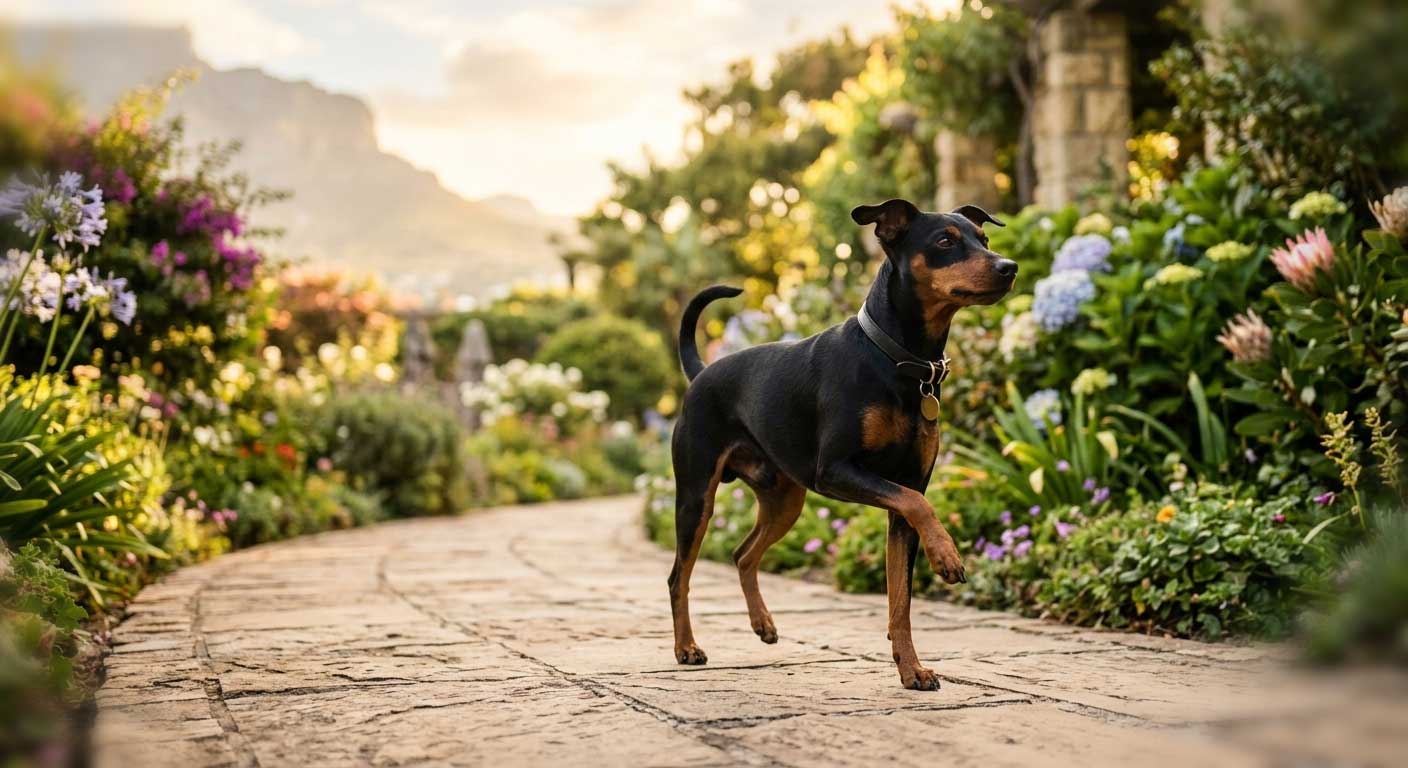
Hackney Gait
Pronunciation: hack-nee geyt
Definition:
The Hackney Gait is a high-stepping, energetic trot where a dog folds and lifts its front forelegs exceptionally high and forward at the carpus (wrist joint) with a distinct, rhythmic stride. This movement pattern mimics the high-stepping trot of historic Hackney carriage horses.
Commonly Seen In:
Miniature Pinschers (where it is a highly prized breed standard trait), Italian Greyhounds, and Toy Fox Terriers.
What it means for South African owners:
While this proud, bouncy movement looks unusual, it is completely natural and does not indicate joint pain or a neurological issue in a Miniature Pinscher. However, because their high-stepping action exerts unique mechanical forces on their front joints, they should always be exercised on soft, natural surfaces (like grass or sand) rather than hard South African tar and concrete to prevent unnecessary joint wear over their lifespan.
Continuing Growth and Scalability ~ Dog Breed Terminology
This centralized glossary page is designed to grow dynamically alongside our platform. As we continue to develop new breed profiles, any fresh medical dog breed terminology encountered during research will be added directly into these sections, ensuring South African dog owners always have access to an accurate, technically sound clinical framework.