
Scottish Terriers South Africa: The Complete Breed Guide
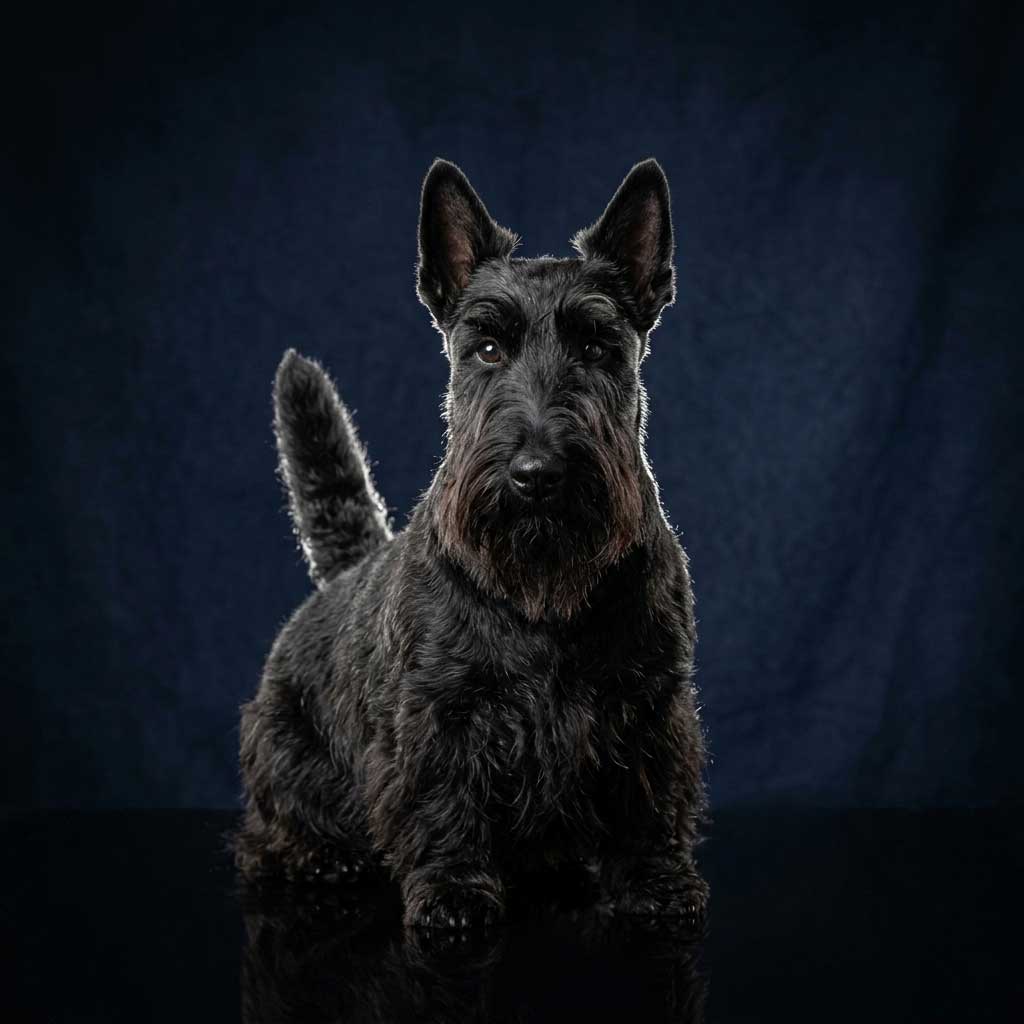
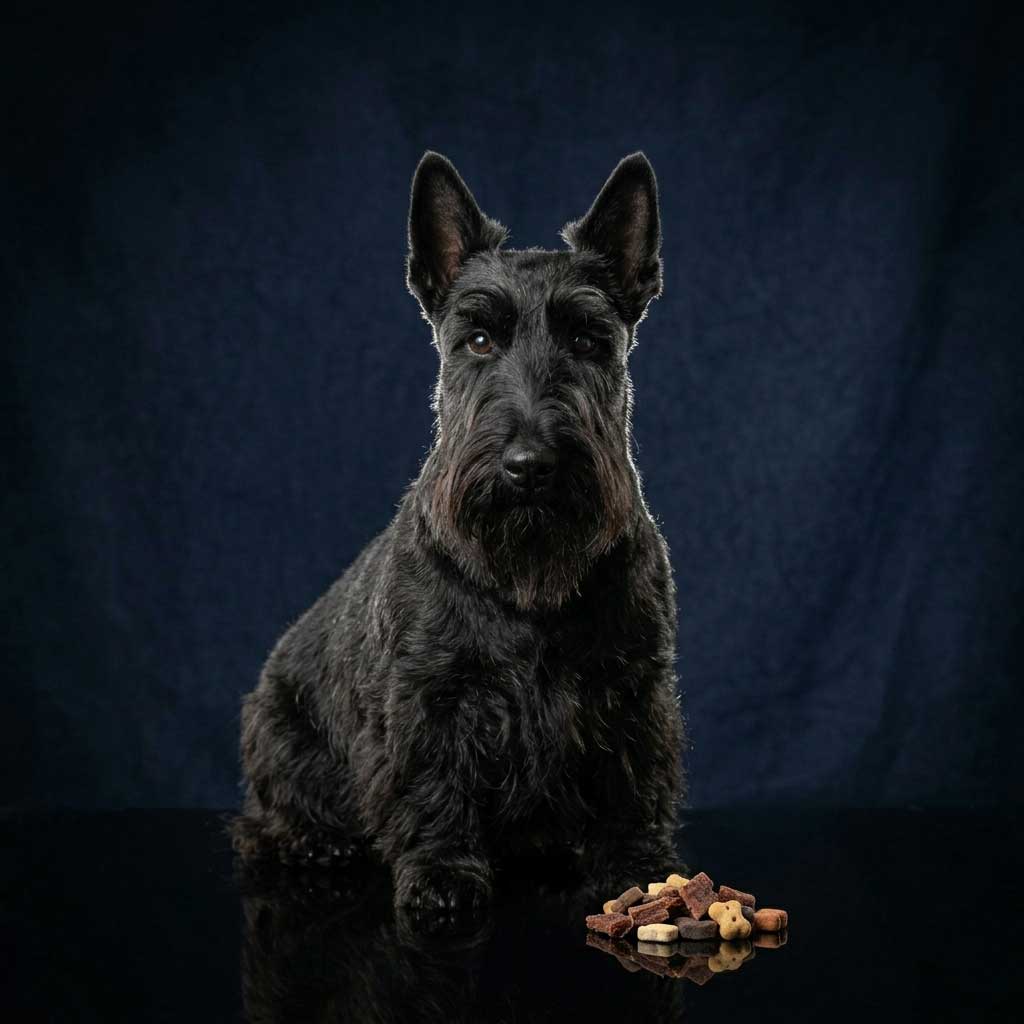
The Scottish Terrier community affectionately celebrates this iconic breed under several distinctive names, ranging from the universally loved “Scottie” to the traditional, historical title of the “Diehard.” Known across South African neighborhoods for their striking silhouette—defined by a long, powerful head, prominent furnishings, and an erect, carrot-shaped tail—the Scottish Terrier is a masterpiece of compact power.
Whether you are looking to adopt a classic black, brindle, or wheaten companion, or you are conducting vital regional research into their clinical care parameters, understanding the unique traits of a Scottish Terriers in South Africa is the foundational step toward successfully sharing your home with this proud, independent breed.
| Breed Characteristic | Specification |
|---|---|
| Origin | Scotland (Highlands) |
| Average Weight | 8.5 kg to 10.5 kg for both males & females |
| Average Height | 25 cm to 28 cm at the withers |
| Lifespan | 12 to 15 years |
| Coat Variety | Double coat: harsh, dense, wiry outer coat; short, soft undercoat |
| Primary Colors | Standard: Black, Wheaten, or Brindle of any shade |
| Registration Body | Kennel Union of South Africa (KUSA) – Terrier Group (View Official Breed Standard) |
History and Original Purpose
The lineage of the Scottish Terriers reflect centuries of hard work in the unforgiving terrain of the Scottish Highlands. Originally forged to “go to ground,” these dogs were bred specifically to hunt independent, aggressive quarry such as badgers, foxes, and otters.
This specific working mandate required an animal of immense structural strength. Their short, heavily-boned legs, broad chest, and remarkably muscular loin allowed them to maneuver inside narrow, subterranean burrows. Their famous nickname, “The Diehard,” was earned because of their relentless grit, absolute refusal to back down when cornered, and an inherent bravery that remains fully intact in modern lines.
Understanding Scottie Coat Genetics & Colors
While the image of a solid, jet-black dog dominates public perception, the official breed standards recognize three distinct, rich color expressions:
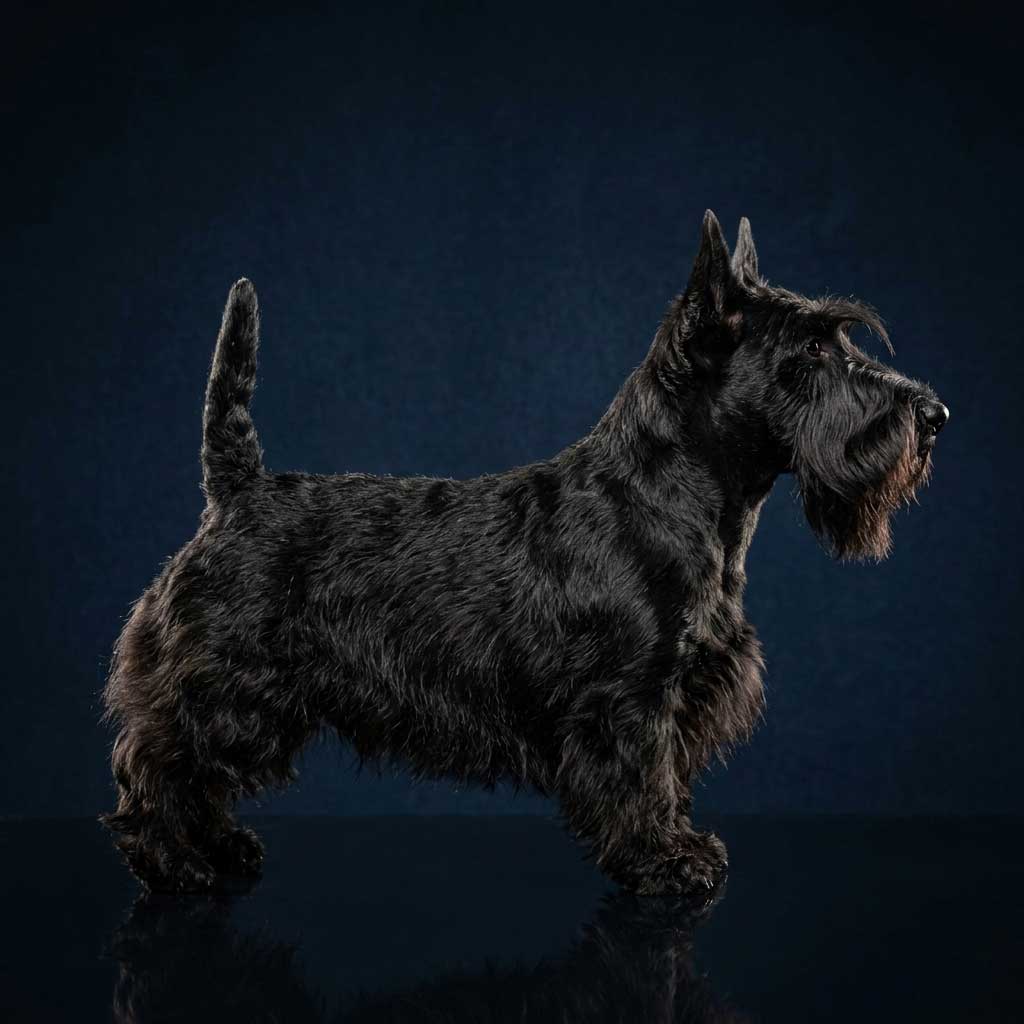
Black:
The iconic, deep solid coloration.
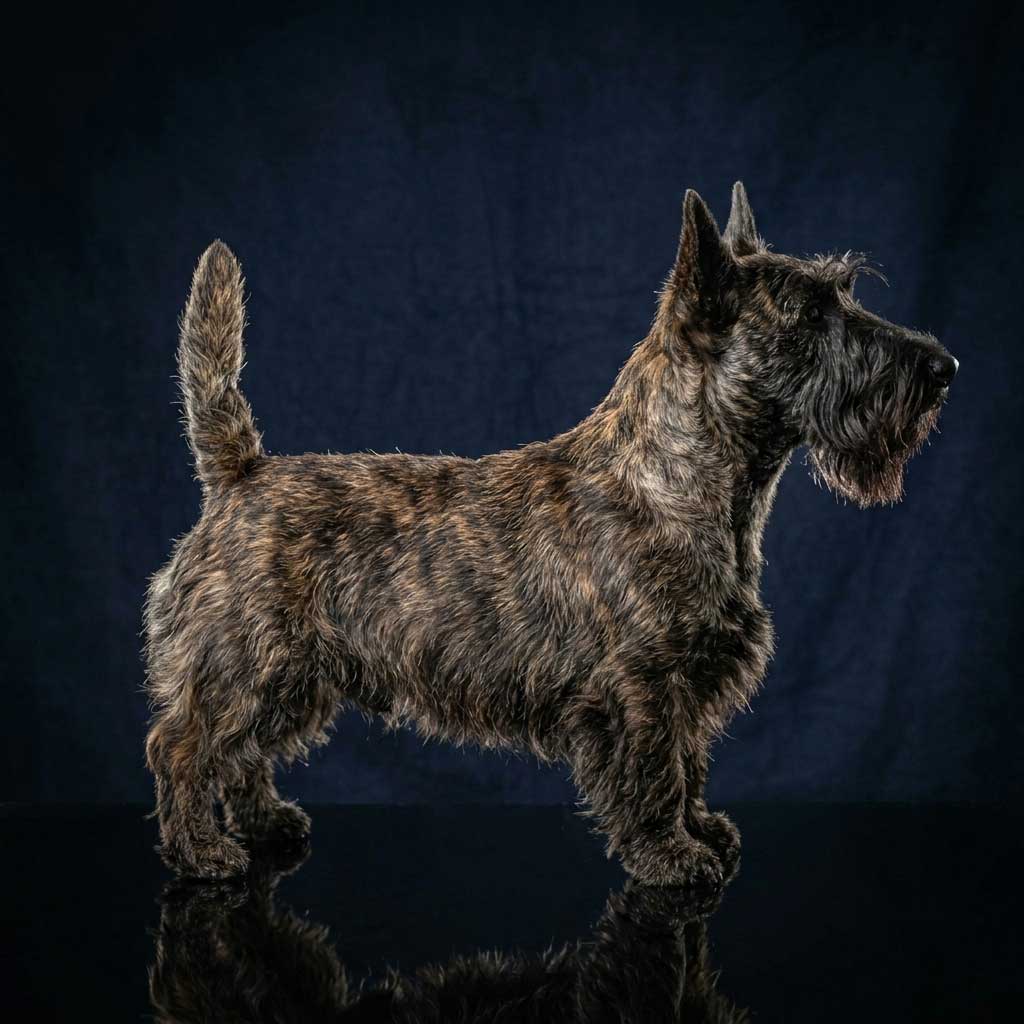
Brindle:
A beautiful, multi-tonal patterned mix of dark and light hairs of any shade.
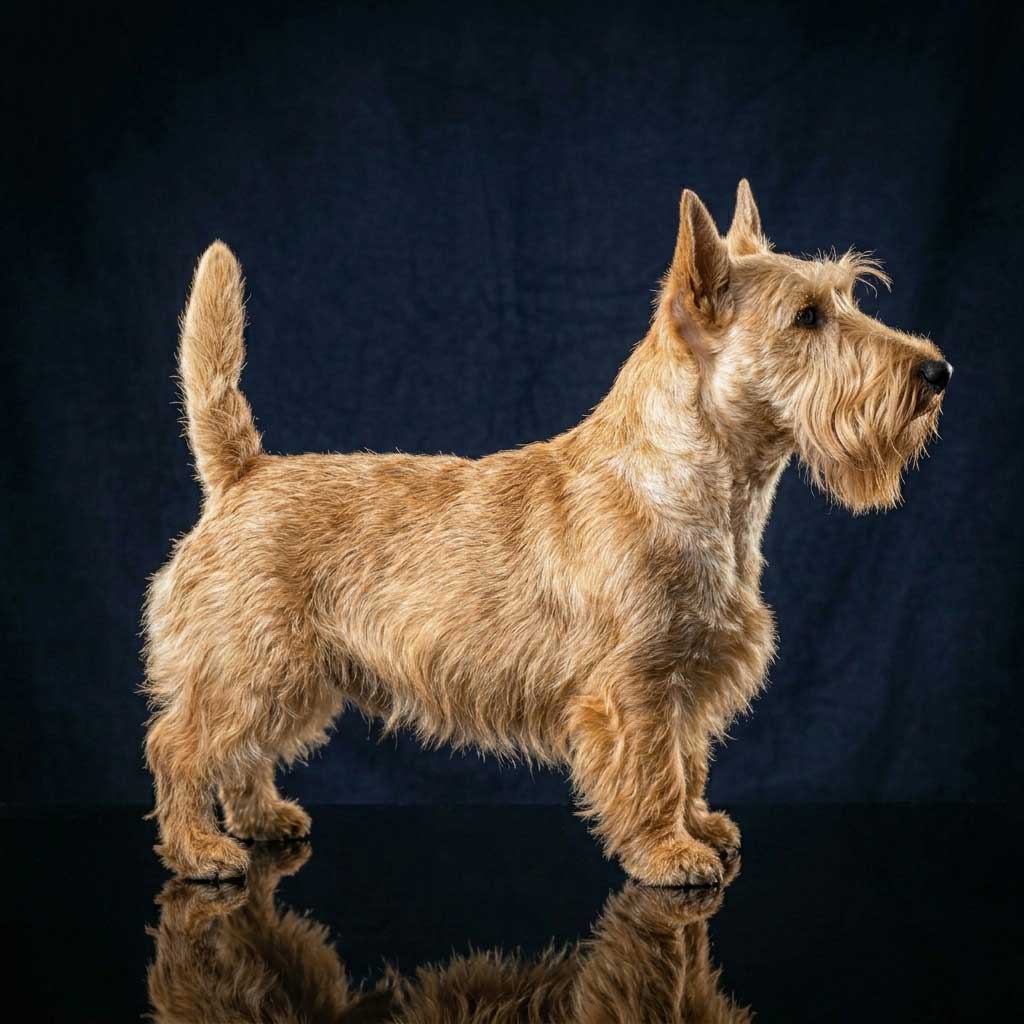
Wheaten:
A striking, pale straw-to-golden honey coloration.
💡 Fascinating Genetic Fact:
Because of the complex interaction between recessive and dominant coat color genes (specifically the Agouti and Extension loci), two biological siblings from the exact same litter can display completely distinct, contrasting colors. A single litter can easily contain a jet-black puppy right alongside a bright wheaten or a deeply brindled sibling, depending entirely on the genetic carrier status of the sire and dam.
Anatomical Spotlight
What is “Scottie Cramp”?
Pronunciation: skot-ee kramp
This is a hereditary, breed-specific neurological metabolic disorder that affects serotonin pathways, causing temporary hypertonia (muscle stiffness) during periods of high excitement or intense exercise. When triggered, the dog’s hind legs stiffen, causing an exaggerated, arching gait. It is non-painful and temporary, but crucial for owners to manage calmly. Learn more in our Dog Anatomy & Breed Terminology Guide.
Everyday Care, Exercise, and Environmental Safety
Exercise Requirements
Though built low to the ground, Scotties possess surprising physical endurance and require structured daily exercise. Two daily 30-minute walks are ideal. Mental stimulation is just as vital; because they are analytical problem-solvers, interactive puzzle toys or scent-work games inside the garden will effectively tire out their active minds and prevent boredom-induced behavior.
Pool and Water Safety
Due to their heavy bone structure, compact and deep chests, and very short legs, Scottish Terriers are exceptionally poor swimmers. Unlike some other dog breeds, they cannot easily keep themselves afloat and will sink rapidly if they fall into deep water.
For South African homes with swimming pools, taking active safety measures is critical. A Scottie should never be left unsupervised near an open pool. It is highly recommended to install a secure pool net, a safety fence, or a pool alarm. If your Scottie spends time outdoors near water, fitting them with a properly sized canine life jacket is a simple precaution that can prevent tragic accidents.
Grooming & Maintenance Requirements
Maintaining the distinct, dignified silhouette of a Scottie requires dedicated, consistent coat care.
- Coat Stripping vs. Clipping:
To maintain the correct, harsh, weather-resistant texture of their outer double coat, pet professionals recommend hand-stripping every 8 to 12 weeks. If the coat is simply clipped down with mechanical clippers, the texture will gradually become soft, dull, faded, and lose its dirt-repellent properties. - Daily Line-Brushing:
Their long, elegant facial furnishings (beard and eyebrows) and their flowing side “skirt” trap dust, twigs, and burrs. They must be combed through daily with a steel Greyhound comb to avoid severe skin-level matting. - Undercoat Management:
Weekly deshedding of the dense, soft undercoat prevents the coat from compacting and trapping moisture against the skin.
Training and Socialization
Trainability
Scotties are highly intelligent but possess an intensely independent, philosophical nature. They do not live to please their handlers; they evaluate commands based on whether they feel like cooperating. Training must utilize precise, motivational, positive reinforcement techniques. Harsh, repetitive drilling or physical pressure will cause a dignified Scottie to completely disengage and stubborn down.
Socialization Needs
A selective, naturally reserved temperament means early socialization is mandatory to prevent them from becoming overly territorial or aloof. Because they retain a massive, hard-wired vermin-hunting prey drive, they must be meticulously integrated around smaller household pets like cats or birds, as their natural instinct is to pursue and capture them.
Common Breed-Specific Health Considerations
Prospective owners must familiarize themselves with the genetic, medical vulnerabilities unique to this hardy Highland breed:
Von Willebrand’s Disease (vWD Type 1)
- An inherited blood clotting disorder characterized by a deficiency in the plasma protein required for effective platelet adhesion.
- Triggers excessive, dangerous hemorrhaging from minor cuts, dental extractions, or routine spay/neuter surgeries. DNA testing prior to breeding is essential. (Learn more in our Terminology Guide)
Craniomandibular Osteopathy (CMO)
- Informally known as “Scottie Jaw,” this is an inflammatory, non-neoplastic bone disease affecting the mandible and tympanic bullae during growth phases (typically 4 to 8 months of age).
- Causes significant pain, swelling, drooling, and difficulty chewing; requiring targeted anti-inflammatory medical management. (Learn more in our Terminology Guide)
Elevated Alkaline Phosphatase (ALP) & Liver Malignancies
- Scotties possess a unique genetic quirk where they frequently manifest asymptomatic elevated liver enzymes (ALP) without active liver failure.
- However, the breed has a statistically higher risk for developing aggressive Hepatocellular Carcinoma or urinary bladder Transitional Cell Carcinoma (TCC) than other breeds.
Atopic Dermatitis
- Their thick skin and dense undercoats make them prone to environmental and flea-allergy dermatitis.
- Unmanaged allergies lead to intense itching, secondary bacterial hot spots, and chronic coat damage.
Rehoming or Adopting a Scottish Terrier
Because of their fiercely loyal, dignified, and proudly independent temperaments, Scottish Terriers find a traditional kennel shelter environment intensely disorienting and stressful. When a life change occurs and a family must make the painful decision to surrender their dog, moving them through a peaceful transition model is paramount.
Through the specialized Small Dog Adoptions & Rehoming (SDA) platform, we completely bypass stressful shelters. Our strict home-to-home rehoming process ensures that these sensitive, proud dogs move directly from their current private family structure straight into their carefully vetted new home. This preserves their emotional stability and prevents the behavioral regression that often occurs in a stressful kennel environment.
Scottish Terrier Frequently Asked Questions
Understanding the unique personality blueprint of a Scottie ensures a harmonious home life. Here are the most critical operational questions answered for South African households.

Final Thoughts: Is the Scottish Terrier Right for Your Home?
Welcoming a Scottish Terrier into your life means opening your door to an ancient, deeply loyal, and intensely independent spirit. If you respect their intelligence, protect them from open water hazards, commit to their unique grooming needs, and understand their proud boundaries, you will earn the unconditional devotion of a true “Diehard” companion.
Whether you are hoping to adopt an available dog or need professional guidance on carefully rehoming a family Scottie, our boutique services are here to help you navigate every single step.
Are you looking to welcome a Scottish Terrier into your life?
- 🐾 View Our Available Dogs for Adoption
- 📧 Get in Touch with Small Dog Adoptions & Rehoming, if you have any questions or need advice about our home-to-home rehoming process.